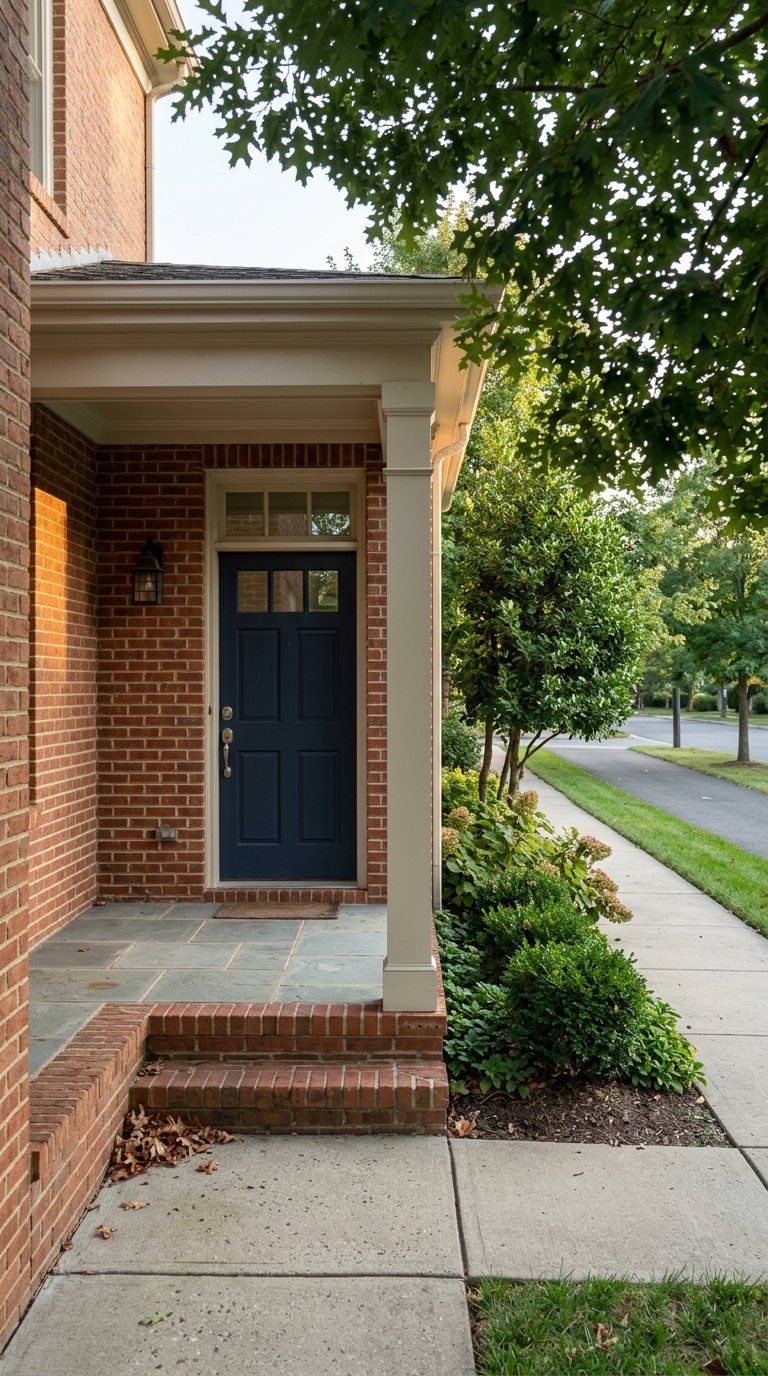
If you picture Arlington as all towers, traffic, and tight footprints, the reality may surprise you. This is a place where dense, connected living and everyday access to parks, trails, and tree cover are built to work together. If you want a shorter commute without feeling cut off from nature, Arlington offers a practical middle ground. Let’s dive in.
Why Arlington Still Feels Green
Arlington’s planning approach helps explain why the county feels more balanced than many buyers expect. County planning is organized around 12 urban villages near public transportation, with an emphasis on balancing development with preservation of residential areas and the environment.
That balance shows up in daily life. Arlington says it owns more than 950 acres of parkland within just 26 square miles, and 99% of residents live within a 10-minute walk of a park. For you as a buyer, that means green space is not a special occasion amenity. It is part of the routine.
The county’s tree canopy also adds to that feel. Arlington reported a 35.2% tree canopy in 2023, up from 31.7% in 2014, with a goal of reaching 40%. So even outside major parks, many streets and residential pockets still feel shaded and connected to nature.
Green Space Is Part of Daily Life
In Arlington, parks and trails do more than fill a map. They shape how you move through the day, whether that means a morning run, an after-work bike ride, or a quick walk with the dog before dinner.
The county says Arlington has nearly 49 miles of paved multi-use trails, plus additional hiking trails. That network is also supported by National Park Service and NOVA Parks trails, which expands your options beyond individual neighborhoods.
Some of the best-known routes are woven right into the county’s residential areas. The W&OD Trail runs 45 miles from Shirlington to Purcellville and connects with the Custis and Bluemont Junction trails in Arlington. The Mount Vernon Trail links Theodore Roosevelt Island with Mount Vernon and adds another major outdoor corridor.
The result is simple: you are not choosing between convenience and outdoor access. In Arlington, those two parts of daily life are designed to coexist.
Parks That Match Different Lifestyles
One of Arlington’s strengths is variety. You can live near a compact urban park, a large natural area, or a trail-connected neighborhood green space depending on how you want to spend your time.
Glencarlyn and Bluemont
Glencarlyn Park is a strong example if you want a more natural setting. It spans 100 acres and includes nature trails, connections to the Four Mile Run and W&OD trails, two playgrounds, Long Branch Nature Center, and a nearby dog park.
Nearby Bluemont Park offers another layer of outdoor access. At 51 acres, it includes multi-use paths and natural areas along Four Mile Run, and the W&OD Trail runs through it. If your ideal weekend includes biking, walking, or simply getting outside without a long drive, this area stands out.
Bon Air, Westover, and Banneker
Bon Air Park offers a different experience. This 24-acre park includes a rose garden, playgrounds, and a path, making it a useful option if you want green space that feels easy and approachable for everyday use.
Westover Park is smaller at four acres, but it benefits from its location next to Bon Air Park and the Custis Trail. That kind of pairing is common in Arlington. A neighborhood park may look modest on paper, but its value grows when it connects to a larger network.
Benjamin Banneker Park adds even more flexibility. The 12.5-acre park includes playgrounds, a dog park, picnic areas, and access to the Four Mile Run, W&OD, and Custis trails.
Rosslyn and Shirlington Parks
Even in Arlington’s denser areas, green space is still part of the lifestyle. Rosslyn Highlands Park is a two-acre urban park with native trees, a playground, exercise equipment, and picnic amenities.
Gateway Park, also in Rosslyn, covers 3.7 acres and connects to the Mount Vernon Trail. That is a helpful reminder that urban living in Arlington often comes with direct access to outdoor space, not just views of it.
Shirlington Park brings another option into the mix. The 11.5-acre park sits along the Four Mile Run Trail and includes fitness equipment and a stream. For buyers who want a connected, active routine, that kind of access can matter as much as square footage.
What Homes Near Green Space Look Like
If you are moving from a more suburban market, Arlington’s housing mix may require a shift in expectations. Countywide, 71.3% of housing units are multifamily, while 22.9% are single-family detached and 5.8% are single-family attached.
That means the green-space lifestyle here often comes in the form of condos, townhomes, garden apartments, and smaller-lot detached homes. You can absolutely find outdoor access, but it may come through proximity to parks and trails rather than a large private yard.
For many buyers, that tradeoff works well. You may give up lot size, but gain a shorter commute, easier access to recreation, and a more walkable daily routine.
Where to Look in Arlington
The best fit depends on how you want to balance space, commute, and access to trails or parks. Arlington offers a range of neighborhoods that support different versions of that lifestyle.
Rosslyn for Urban Access
Rosslyn is one of the clearest examples of high-density living paired with immediate outdoor access. The Rosslyn Metro Station area has more than 6,000 residences within a 10-minute walk of Metro, including high-rise apartments and condominiums, older smaller buildings, and new luxury townhouses.
At the same time, Rosslyn residents can use parks like Rosslyn Highlands Park and Gateway Park, with direct access to the Mount Vernon Trail. If you want a highly connected lifestyle without losing your outlet for fresh air and movement, Rosslyn deserves a look.
Ballston and Courthouse for Balance
Ballston follows a similar pattern, with density concentrated around the Metro station and lower-density residential areas farther from the core. That can be appealing if you want restaurants, transit, and services nearby while still having a more traditional neighborhood feel as you move outward.
Courthouse also focuses redevelopment around the station while preserving nearby residential neighborhoods. The area includes Colonial Village, a historic garden-apartment community in a park-like setting one block from Courthouse Metro. For some buyers, that blend of transit access and established green character is exactly the sweet spot.
East Falls Church for a Residential Feel
East Falls Church is often a strong match if you want more of a residential atmosphere. The county describes the area as having single-family homes, townhouses, parks, and schools, with most single-family homes built between the 1930s and 1950s.
It also benefits from direct access to both the W&OD and Custis trails. If your priority is a quieter home base with strong trail connectivity, this area is worth serious consideration.
Shirlington for Trail Connection
Shirlington offers another compelling mix. The neighborhood includes several townhouse communities, high-rise apartments, and other residential units, while nearby Park Shirlington is a 294-unit garden-apartment complex.
The area also offers trails along Four Mile Run and bus service from Shirlington Bus Station, with easy access to D.C., Crystal City, the Pentagon, and Reagan National Airport. If you want outdoor access paired with strong regional connectivity, Shirlington checks a lot of boxes.
Commuting Without Losing the Outdoors
One reason Arlington works so well for many buyers is that transportation and recreation support each other. Arlington Transit connects neighborhoods to Metrorail and VRE, and the county promotes biking, walking, carpooling, and telework as part of its broader commuter-services system.
Metrorail access remains a major draw. Rosslyn is served by the Orange, Silver, and Blue lines. Ballston and Virginia Square are served by the Orange and Silver lines, while Pentagon City is served by the Blue and Yellow lines.
For you, this creates flexibility. You can build a routine where your commute, workout, and outdoor time fit into the same geography rather than competing with each other.
What Buyers Should Keep in Mind
If you are considering Arlington, it helps to think beyond lot size alone. In this market, lifestyle often comes from the combination of home type, park access, trail proximity, and transit options.
A few practical questions can help narrow your search:
- Do you want Metro access within walking distance?
- Would you rather live near a major trail or a larger park?
- Are you comfortable trading yard space for walkability and convenience?
- Do you prefer a high-rise, townhouse, garden-apartment setting, or detached home?
- Is your ideal routine more urban, more residential, or somewhere in between?
Those answers can quickly point you toward areas like Rosslyn, Ballston, Courthouse, East Falls Church, or Shirlington.
Arlington’s Real Advantage
The real appeal of Arlington is not just that it has parks. It is that green space is woven into everyday living in a way that feels useful, accessible, and real.
You can live near Metro, bus service, shops, and major job centers while still having trails, playgrounds, tree cover, and neighborhood parks close at hand. For many buyers, that is the difference between simply living in a convenient place and living in a place that feels sustainable over the long term.
If you are weighing a move to Arlington and want help finding the right balance of commute, home style, and outdoor access, Teresa Burton can help you compare neighborhoods and make a smart, informed move.
FAQs
How much park access do Arlington residents have?
- Arlington says 99% of residents live within a 10-minute walk of a park, and the county owns more than 950 acres of parkland.
What trails are most useful in Arlington for daily outdoor living?
- Arlington has nearly 49 miles of paved multi-use trails, with major routes including the W&OD Trail, Custis Trail, Bluemont Junction Trail, Four Mile Run Trail, and Mount Vernon Trail.
What kinds of homes can you expect near green space in Arlington?
- Arlington’s housing stock is mostly multifamily, so homes near parks and trails often include condos, townhomes, garden apartments, and smaller-lot detached houses rather than large suburban lots.
Which Arlington neighborhoods balance transit and green space well?
- Rosslyn, Ballston, Courthouse, East Falls Church, and Shirlington each offer different combinations of Metro or bus access, residential character, and proximity to parks or trails.
Is Arlington a good fit if you want a shorter commute and outdoor access?
- Yes. Based on the county’s transit, planning, and trail systems, Arlington is designed so commuting, walking, biking, and park access can work together in daily life.