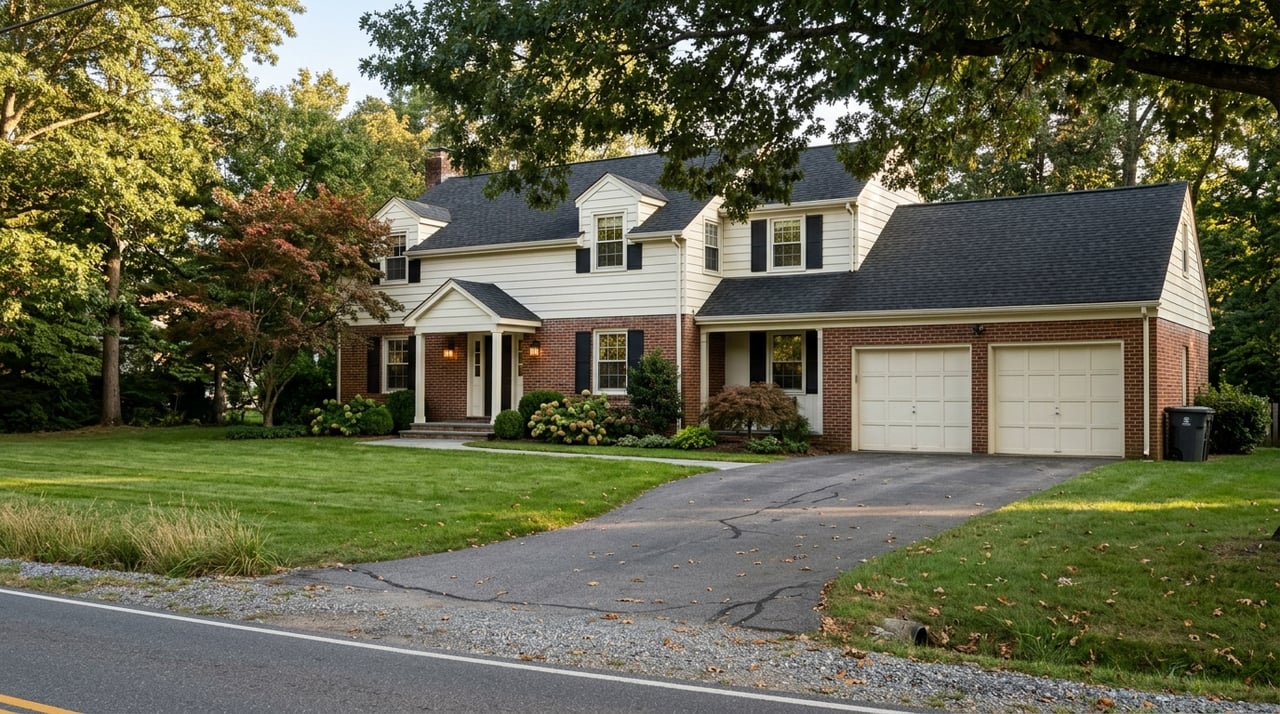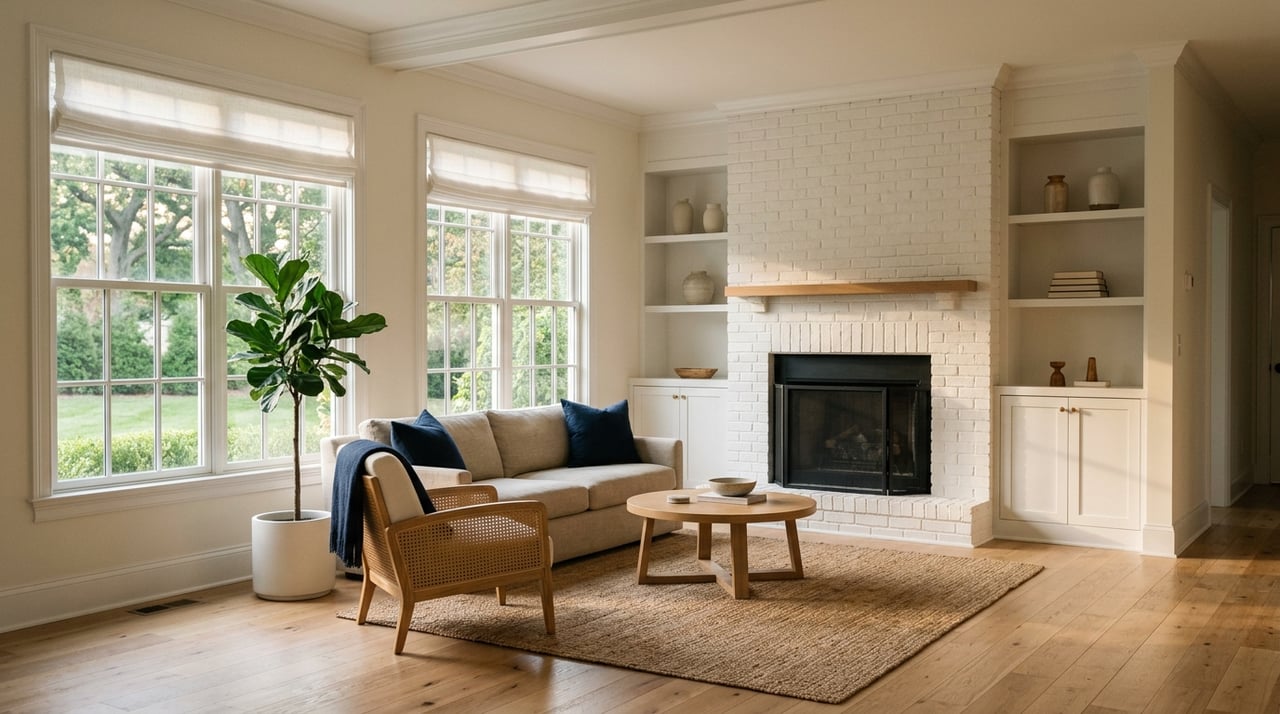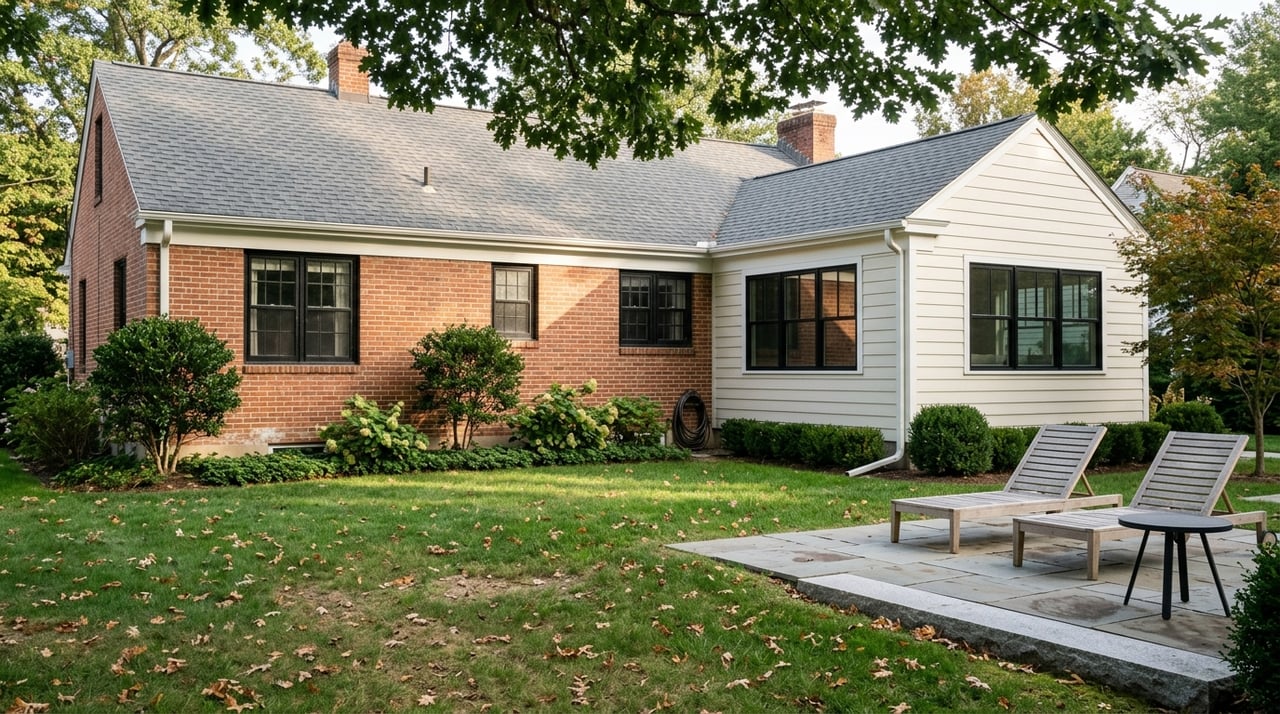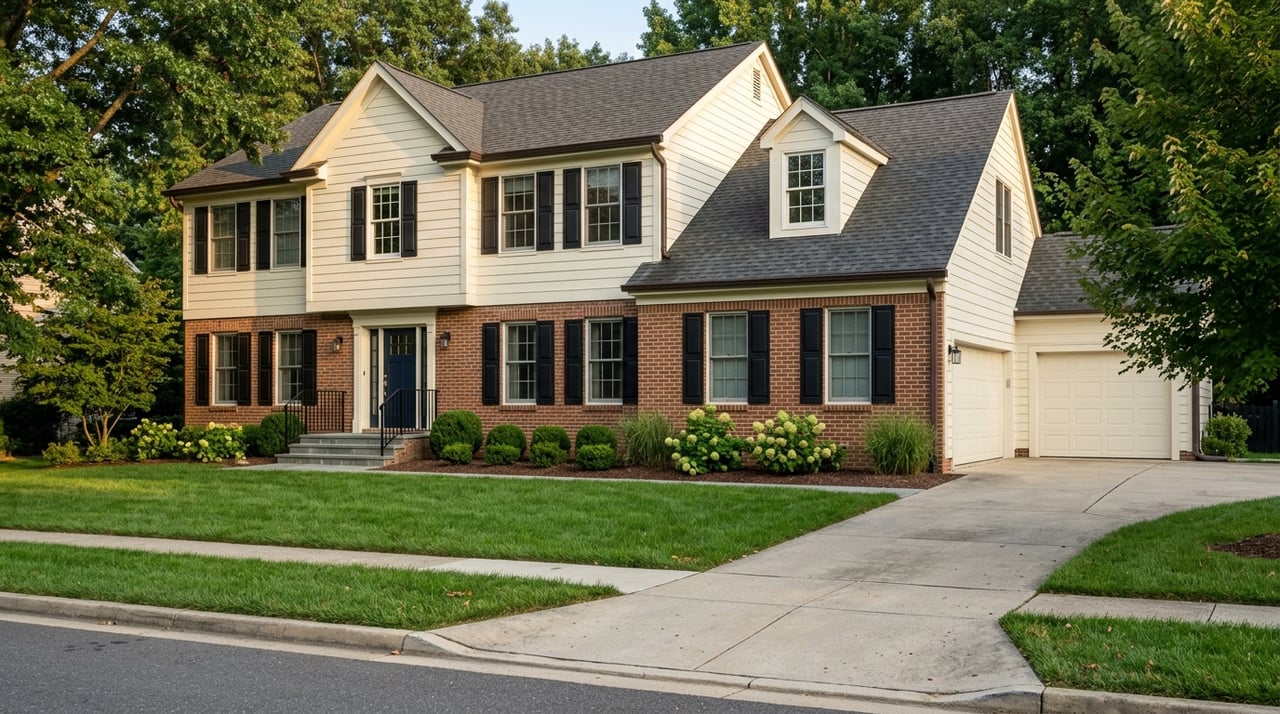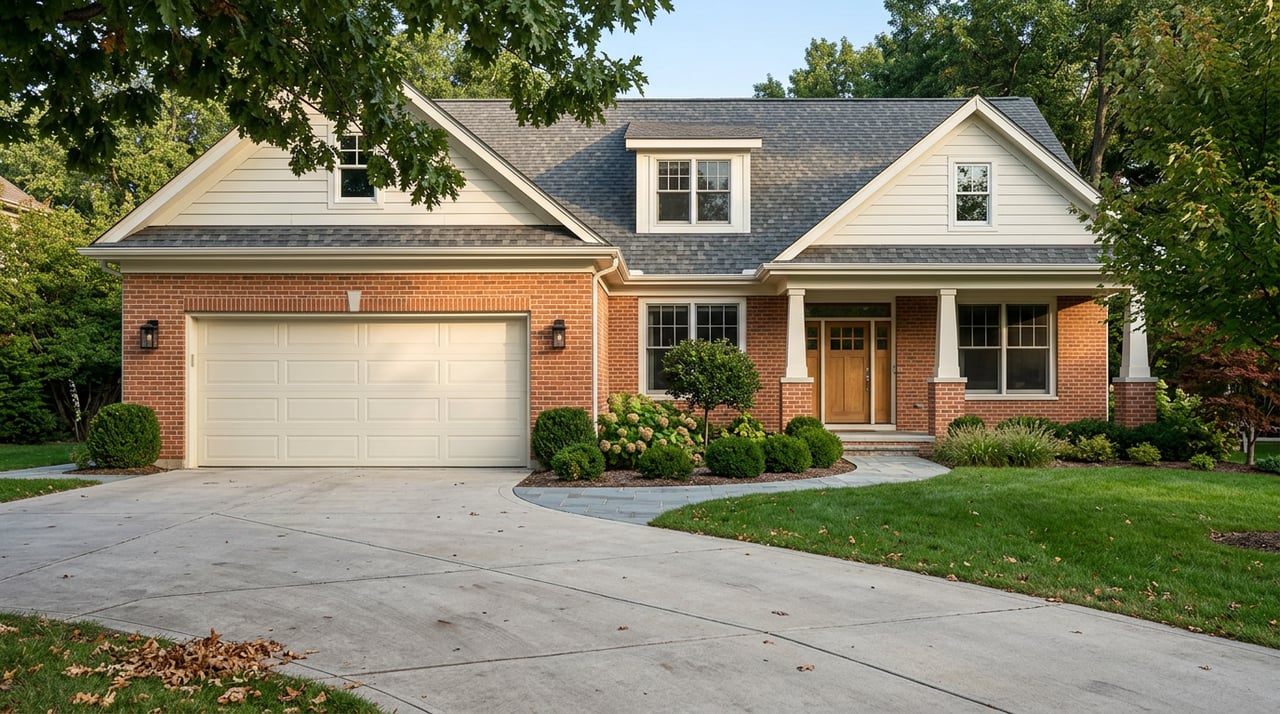
Thinking about a home where open land, quiet roads, and an I‑83 commute all come together? Maryland Line sits just south of the Mason–Dixon line and offers a rare mix of village homes and wide‑open acreage. If you want space and a slower pace within reach of Baltimore, this niche market could fit your goals. In this guide, you’ll learn what types of homes you’ll find, how to think about pricing, commute options, wells and septic checks, taxes, and a practical buyer checklist. Let’s dive in.
Maryland Line at a glance
Maryland Line is an unincorporated village in northern Baltimore County along MD‑45 (York Road), just off the I‑83 corridor that connects Baltimore and York. You are a quick hop to the Pennsylvania border and within regional commuting distance of Baltimore and Towson. For a quick location overview, see the Maryland Line entry.
This is a very small ZIP (21105), which means many public data sources do not publish robust housing stats here. Treat ZIP‑level medians as rough and focus on address‑level MLS comparables and lot‑by‑lot nuances. The upshot for you is that due diligence on a specific property matters more than broad neighborhood averages.
Homes you’ll find in 21105
Village homes on York Road
Along York Road, you will see older homes, often from the 19th or early 20th century. These include a mix of free‑standing houses and some attached or semidetached styles on smaller village lots. Footprints tend to be modest, and walkability is mainly to local services like the post office.
Acreage, farms, and equestrian setups
Outside the village core, housing shifts to rural lots with 1 to 50‑plus acres. You will find classic farmhouses, custom homes on large parcels, and properties configured for horses with barns, riding rings, and pasture. Acreage and land use play a big role in value and day‑to‑day living.
Limited newer construction
Large‑scale subdivisions are rare in Maryland Line. When you do see newer homes, they are usually custom builds on bigger lots. Expect privacy, longer driveways, and a country setting rather than dense streetscapes.
Pricing context and how to value a home
Pricing in and around 21105 spans a wide range because acreage, agricultural or equestrian potential, and location on or off village roads tend to matter more than a small difference in square footage. Nearby ZIP medians can provide a frame of reference, but 21105 itself is too small for reliable median tracking.
For regional context, recent snapshots in nearby ZIPs show high medians in Monkton (21111) and strong medians in Parkton (21120) and White Hall (21161), with more moderate pricing in Freeland (21053). A given Maryland Line property can fall well below or above those ranges depending on lot size and land use. Your best move is to lean on a fresh MLS comparable analysis that matches road, acreage, and utility setup.
When you evaluate value, focus on:
- Lot size and usable acreage for your goals.
- Well and septic age, capacity, and permits.
- Outbuildings and equestrian or hobby‑farm improvements.
- Road type and access, including private maintenance responsibilities.
- Broadband reliability if you plan to work from home.
Commute, transit, and daily life
Drive times and I‑83 access
I‑83 is your primary commuting route, with Maryland Line reached from nearby exits via MD‑45. Depending on your start and end points, you are roughly 25 to 35 miles north of downtown Baltimore, with common drive times around 30 to 60 minutes. Washington, D.C. is much farther and often 1.5 to 2 hours or more by car. For a general sense of distance and regional context, see this local overview.
Transit options you can use
There is no rail station in Maryland Line. The closest regional hub is the Hunt Valley terminus of the Baltimore Light Rail, which offers park‑and‑ride access south into the city. Many commuters either drive directly or combine a short drive with Light Rail from Hunt Valley. Explore the Light Rail system overview if occasional transit is part of your plan.
Services, shopping, and health care
In the village, you will find a small post office and volunteer fire company. Everyday retail and larger services cluster in nearby Freeland, Parkton, and Hunt Valley, with broader options in Towson. Check the Maryland Line Post Office listing for location details.
Major hospital systems serving the region include the Greater Baltimore Medical Center in Towson and the University of Maryland Upper Chesapeake campus in Harford County. Plan for 20 to 45 minutes to reach large hospitals depending on exact routing and traffic.
Schools and boundaries
Maryland Line is within Baltimore County Public Schools. Many addresses in the immediate area fall within the Hereford cluster, including Seventh District Elementary, Hereford Middle, and Hereford High. School boundaries can change, so always confirm the assigned schools for the specific property and review independent resources if school evaluations are important to you.
Land, wells, septic, and utilities
What to know about wells and septic
Many rural properties rely on private wells and onsite septic systems. Budget for a septic inspection, a review of percolation testing history, and any permits for repairs or replacements. Baltimore County has a formal process for percolation and septic approval, and the county environmental team is your best source for parcel‑specific guidance. Review the county’s percolation application checklist before you write an offer.
Soils, drainage, and karst
Northern Maryland has areas with variable soils and karst geology. If a property includes streams, rock outcrops, or large acreage, ask about sinkhole risk, drainage patterns, and any prior site work. The Maryland Geological Survey provides helpful background on karst and sinkholes in the state. Explore their sinkhole resource page as part of your due diligence.
Broadband, cell coverage, and power
Utility access can vary from the village to the back roads. Electric and cable are common along main roads, but broadband speeds and cell service can differ across rural parcels. Verify address‑level internet options and signal strength before relying on remote work or heavy streaming.
Taxes and ongoing costs
Baltimore County’s real property tax rate is approximately $1.10 per $100 of assessed value for FY2026. Always confirm the current rate and check for any special district charges that may apply to a parcel. You can review county tax information on the Baltimore County tax rates page.
As you model monthly costs, include:
- County property taxes and any applicable credits or exemptions.
- Well and septic maintenance and potential upgrades over time.
- Driveway upkeep and snow clearing, especially on private lanes.
- Insurance for outbuildings, barns, or equestrian facilities if present.
Who Maryland Line suits
- Buyers who prefer semi‑rural or rural living with larger lots and privacy.
- House hunters who are comfortable with a car‑first lifestyle and limited daily transit.
- Those who prioritize properties that may fall within the Hereford school cluster, subject to verification.
- People who want a country setting within about an hour’s reach of Baltimore, depending on traffic.
Your step‑by‑step buyer game plan
- Confirm school assignment. Contact Baltimore County Public Schools or use official boundary tools to verify the exact schools for the property you are considering.
- Request a targeted MLS comparable analysis. Because 21105 is small, ZIP medians can be misleading. Ask for recent sales that match your road, acreage, and utility setup.
- Order well and septic due diligence. Schedule a septic inspection, review any prior percolation results, and contact county environmental health for permit history. Start with the county’s percolation and septic checklist.
- Verify broadband and cell coverage. Check address‑level internet providers and mobile signal to support work‑from‑home and streaming needs.
- Model carrying costs early. Confirm the current tax assessment, estimate taxes using the county rate page, and factor in private road or driveway maintenance.
- Clarify access and maintenance. If the home sits on a private road, review any road maintenance agreements and typical winter clearing plans.
- Test your commute. If you expect to use transit occasionally, time a drive to the Hunt Valley park‑and‑ride and the Light Rail system during your usual commute window.
The bottom line
Buying in Maryland Line is about fit. If you are drawn to a country setting with access to I‑83, and you are comfortable verifying wells, septic, and broadband details, this niche market can deliver space and quiet within reach of Baltimore. Focus on property‑specific due diligence and MLS‑driven pricing, and you will make a confident decision.
If you are exploring Maryland Line or other suburban markets across the region, connect with Teresa Burton for thoughtful buyer advocacy and relocation guidance tailored to your goals.
FAQs
What types of homes are common in Maryland Line?
- Expect a mix of historic village homes along York Road and rural properties on larger lots, including farms and equestrian setups.
How reliable are ZIP‑level price stats for 21105?
- 21105 is very small, so ZIP medians are often sparse or noisy; rely on address‑level MLS comparables matched to road, acreage, and utilities.
Is there commuter rail service in Maryland Line?
- There is no station in the village; most commuters drive via I‑83 or use the Hunt Valley Light Rail terminus for park‑and‑ride access into Baltimore.
Do most homes use public water and sewer?
- Many rural properties use private wells and onsite septic systems; plan for septic inspections, percolation history checks, and county permitting when needed.
What should I budget for ongoing ownership costs?
- Include Baltimore County property taxes, well and septic maintenance, potential private road or driveway upkeep, and insurance for any outbuildings or barns.