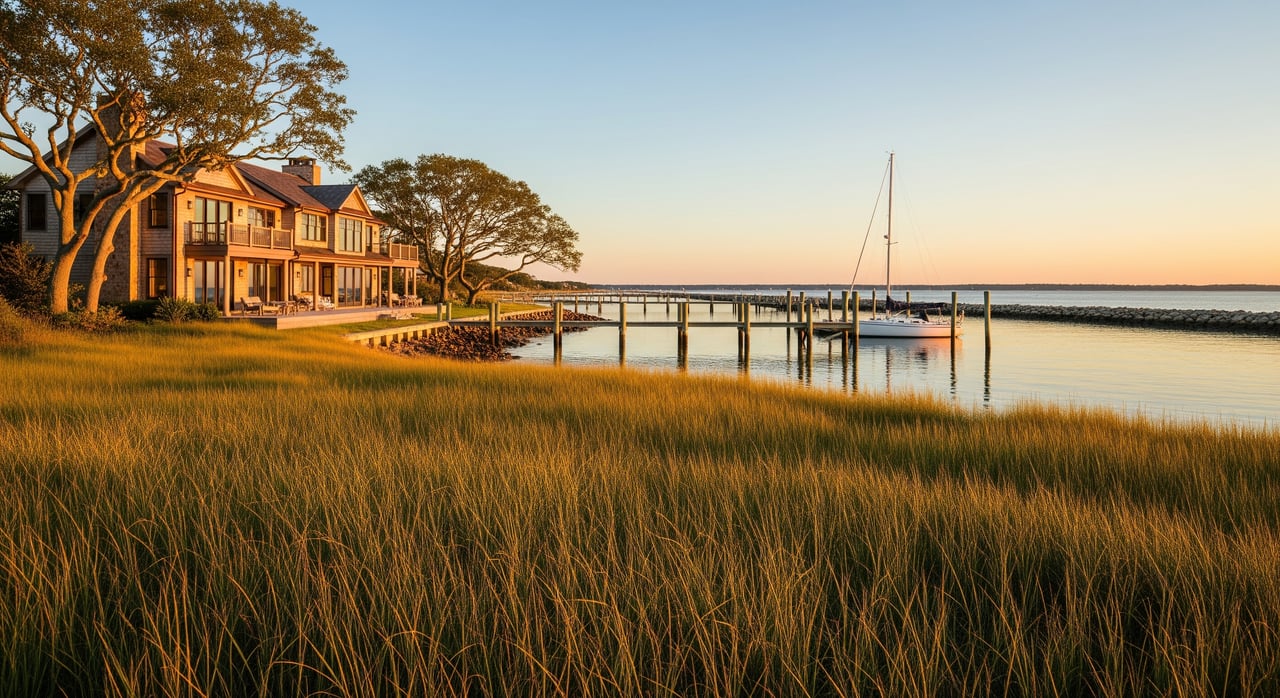
You picture coffee on the dock, kayaks at the ready, and sunsets over the Chesapeake. Buying waterfront in Anne Arundel County can deliver that dream, but it also adds layers of permitting, inspections, flood risk, and shoreline rules that you do not encounter inland. In this guide, you will learn what “waterfront” really means here, which factors drive value, how permits and insurance work, and what to check before you write an offer. Let’s dive in.
What “waterfront” means locally
Much of Anne Arundel’s shoreline is tidal, so most homes see water levels that rise and fall daily. You will find several common settings, each with its own tradeoffs.
- Direct Bayfront on the open Chesapeake offers big views but higher wind, wave action, and potential surge.
- Riverfront on the Severn, South, or Magothy is more protected yet still tidal and affected by storm surge and boat wake.
- Creek or canal-front can be very sheltered, sometimes with shallow water or limited navigation at low tide.
- Community waterfront can include shared piers or amenities managed by an HOA.
- Lots with riparian frontage but no existing pier may require a fresh round of permits if you plan to build one.
These settings influence everything from daily enjoyment to insurance costs and resale. The more exposed the site, the more you need to evaluate shoreline structures and long-term maintenance.
Key factors that drive value
A premium for views and water access is common, but it varies widely. Value is shaped by the waterbody, exposure, and condition of shoreline features.
- Navigability and depth: Access to channels and deep water can matter if you plan to boat. Shallow creeks may limit draft at low tide.
- Existing pier and bulkhead: Permitted, well-maintained structures add value. Unpermitted or failing structures can reduce value and complicate lending.
- Shoreline type and protection: Bulkhead, riprap, or a living shoreline will affect maintenance, permitting options, and erosion risk.
- Proximity to Annapolis, marinas, and services: Convenience can strengthen demand and resale.
- Site constraints: Critical Area rules, setbacks, and septic versus sewer may limit future projects.
Premiums are balanced by risk. Flood exposure, erosion, insurance, and the cost to maintain shoreline structures often temper what buyers are willing to pay.
Permits and rules you need to know
Before you plan any dock, lift, or shoreline work, understand who regulates what. Start with the county and then confirm state and federal requirements.
- Anne Arundel County handles local zoning, setbacks, stormwater, and septic or sewer connections. Review county guidance and departments on the Anne Arundel County website.
- The Maryland Department of the Environment regulates tidal wetlands, living shorelines, and most work in tidal waters.
- The Maryland Department of Natural Resources offers boating access and aquatic resource guidance, and is a key source for pier considerations.
- The Critical Area Commission oversees Maryland’s Critical Area program, which regulates development within 1,000 feet of tidal waters and tidal wetlands.
- The U.S. Army Corps of Engineers may require federal authorization for dredging or structures that affect navigable waters.
Common projects that usually need review or permits:
- Private piers, docks, and boat lifts
- Shoreline stabilization like bulkheads, riprap, or living shorelines
- Dredging to improve access or depth
- Septic replacement or new sewer hookups
Maryland often encourages living shorelines where feasible. Some structures, sizes, or locations can be limited or prohibited, and timelines for approvals can range from weeks to many months depending on complexity.
Practical tips to stay compliant
Ask sellers for copies of any permits and as-built drawings for the pier, lifts, bulkhead, or shoreline work. Verify that what exists on the property matches the permits. Unpermitted structures can trigger retroactive permitting or removal, which affects cost and closing timelines. If you plan a future project, confirm early what is likely feasible and how long it may take.
Flood, erosion, and rising water
Many waterfront homes sit in FEMA flood zones. If your home is in a Special Flood Hazard Area, lenders typically require flood insurance. Check the property’s flood zone using the FEMA Map Service Center, and ask for any existing Elevation Certificate. Even if the home is outside a mapped hazard area, many buyers choose to carry flood insurance for added protection.
The Chesapeake region is seeing sea level rise and more frequent nuisance flooding. NOAA’s tools help you understand local tides and long-term scenarios. Reviewing resources from NOAA can help you gauge how high-tide flooding and storm surge might affect a specific location over time.
Erosion is another key risk. Boat wake, storms, and natural forces can undermine bulkheads or cause shoreline retreat. The history of repairs on your lot and neighboring lots matters. A failing bulkhead or unstable bank can affect safety, value, and insurability.
What to inspect before you buy
Order inspections that focus on waterfront systems. If a structure touches water, assess it.
- Structural inspection of bulkheads, riprap, seawalls, piers, pilings, and lifts to check for rot, scour, undermining, and pile integrity.
- Elevation survey and Elevation Certificate if one is not available and the site is in or near a flood zone.
- Shoreline assessment from a qualified professional if you see active erosion or plan new work.
- Septic inspection and dye test if the property is not on public sewer, and confirm setbacks relative to the shoreline. The county Health Department’s requirements are available through Anne Arundel County.
- Environmental review for wetlands, submerged aquatic vegetation, or shellfish areas that could limit pier work or dredging.
Insurance and financing
Flood insurance is separate from homeowners insurance. If your home is in a Special Flood Hazard Area and you use a federally regulated mortgage, flood insurance is usually required. Learn more about flood coverage and the NFIP through FEMA. Even outside the SFHA, flood policies can make sense given tidal exposure.
Premiums vary with elevation, flood zone, the presence of flood vents, prior claims, and the lowest enclosed floor height. Private flood insurance may be an option, but coverage terms and underwriting differ from NFIP policies. Standard homeowners policies often exclude flood and may have separate wind or hurricane deductibles.
Lenders care about flood risk and property condition. They may require an Elevation Certificate, confirm insurability, or call out issues like failing bulkheads or unpermitted docks. Appraisers will weigh permitted versus unpermitted structures, navigability, erosion risk, and the condition of shoreline improvements when determining value.
Your due diligence roadmap
A clear plan helps you move quickly and confidently when the right home hits the market. Use this sequence as a guide.
- Pre-offer: Check the flood zone on the FEMA Map Service Center, confirm if the property is within Maryland’s Critical Area via the Critical Area Commission, and ask for any existing Elevation Certificate.
- Pre-offer: Ask the seller for permits and as-built documents for any pier, lift, dredging, bulkhead, or shoreline stabilization.
- Offer stage: Include contingencies for waterfront-specific inspections and permit verification. If a community pier is involved, request documents that show your rights and responsibilities.
- Inspection period: Commission a structural waterfront inspection, elevation survey if needed, septic inspection, and a shoreline condition report. Obtain estimates for any repairs that a lender or insurer may require.
- Prior to closing: Confirm that any unpermitted structures will be brought into compliance or that you have credits to address them. Finalize flood insurance and lender conditions.
Smart questions to ask sellers and HOAs
Great questions lead to fewer surprises. Use these during showings and when you submit an offer.
- Are the pier, lifts, and bulkhead fully permitted? Can you provide permit numbers and as-built drawings?
- What is the history of shoreline repairs, dates, contractors, and any transferable warranties?
- Has the property had any flood damage or flood insurance claims?
- Are there shared access easements, a community pier, or HOA rules that govern docks and boat lifts?
- Are any public works or dredging projects proposed nearby that could change access or conditions?
Negotiation tips for waterfront offers
Waterfront purchases benefit from targeted contingencies and documentation. Protect your timeline and budget with clear terms.
- Add a waterfront inspection contingency that covers the pier, bulkhead, shoreline, and septic system if applicable.
- Require the seller to provide copies of permits and approvals for shoreline structures, or negotiate credits if permits are missing.
- If you rely on a community pier, document usage rights and maintenance responsibilities in the contract.
- If the home is in or near a flood zone, ask for evidence of current flood insurance costs or include a provision related to lender-required remediation.
Local resources to bookmark
These agencies and tools provide the most up-to-date rules, maps, and guidance for Anne Arundel waterfront buyers.
- Anne Arundel County departments for permits, zoning, and health: Anne Arundel County Government
- Tidal wetlands, waterways, and living shoreline guidance: Maryland Department of the Environment
- Boating access and aquatic resources: Maryland Department of Natural Resources
- Maryland Critical Area program and regulations: Critical Area Commission
- Flood maps and Elevation Certificates: FEMA Map Service Center
- NFIP and flood insurance basics: FEMA
- Sea level rise and tidal tools: NOAA
- Federal permits for work in navigable waters: U.S. Army Corps of Engineers
Final thoughts
Buying waterfront in Anne Arundel is more than a home search. It is a shoreline, flood, and permitting project too. When you plan ahead, verify permits, and bring the right experts to the table, you can protect your budget and enjoy the lifestyle you want for years to come.
If you are starting your search or weighing a specific property, connect with a trusted local advisor who can coordinate inspections, gather permits, and help you compare options. Reach out to Teresa Burton for a clear plan and steady guidance from offer through closing.
FAQs
What counts as “waterfront” in Anne Arundel?
- Most residential waterfront here is tidal on the Chesapeake Bay or its tributaries, including riverfront, creek or canal-front, community waterfront with shared piers, and some direct Bayfront lots.
Do I need flood insurance for an Anne Arundel waterfront home?
- If your home is in a Special Flood Hazard Area and you use a federally regulated mortgage, flood insurance is typically required, and many buyers choose coverage even outside mapped hazard zones.
How long do permits take for a dock or shoreline work?
- Timelines range from weeks for minor projects to many months for larger or complex work like dredging, so build permitting time into your plans and budget.
Can I dredge to get deeper water at my property?
- Dredging is tightly regulated, often expensive, and may require multi-agency approvals, so confirm feasibility and costs early before making it part of your plan.
What is Maryland’s Critical Area and why does it matter?
- The Critical Area is land within 1,000 feet of tidal waters and wetlands, and development there is regulated for water quality and habitat, which affects buffers, impervious surfaces, and mitigation requirements.