Picture your morning starting with coffee by the water, a short stroll past public art, and lunch on a sunny patio without moving your car once. That is a normal day in Frederick’s historic city center, not a special occasion. If you are weighing a move, you want to know if daily life here is as easy as it looks on a weekend visit. In this guide, you will see how the walkable core, parks, food scene, housing mix, and commute options come together so you can decide if Frederick fits your routine. Let’s dive in.
Historic core, everyday ease
Frederick’s 50-block downtown is built at a human scale, with brick sidewalks, narrow streets, and closely spaced storefronts that keep errands and meetups simple. The heart of it is Carroll Creek Linear Park, a waterside promenade with pedestrian bridges, fountains, public art, and an amphitheater that anchors outdoor dining and casual walks. You can get a feel for the creek’s design and role in daily life by exploring the official overview of Carroll Creek Linear Park.
Public spaces here are not only pretty, they are programmed. Seasonal concerts, art walks, and weekly gatherings often set up right along the creek and on nearby streets. That steady rhythm keeps the city lively on weekdays, not just weekends. To see the cultural backbone that supports that calendar, browse the regional guide to the Weinberg Center for the Arts, a restored 1926 theater that hosts year-round performances.
Try this simple downtown loop to picture everyday life: grab coffee, walk a 20-minute out-and-back along the creek, stop at a gallery, and meet a friend for lunch on a patio. You can do it all within a compact area, which is what makes the historic core feel so livable.
Food and local small businesses
Downtown Frederick packs a high concentration of independent restaurants, chef-driven kitchens, wine bars, bakeries, and cafes. National and regional travel writers frequently call out the food scene, and locals rely on these same spots for weeknight dinners and Saturday brunch. For an outside perspective on that culinary reputation, see this overview from Southern Living.
On a typical weekday, you will find people filling cafes by mid-morning, crowding creekside patios at lunch, and heading to neighborhood restaurants for dinner. Weekends stretch into tasting-room visits and special-occasion meals. The craft-beverage scene has evolved in recent years, with a mix of microbreweries and taprooms in and around the core. Expect a changing lineup of operators over time, which keeps the scene interesting.
Parks, trails, and easy nature
Frederick makes outdoor time part of your routine. Baker Park, a 58-acre greenway next to downtown, includes ballfields, playgrounds, the iconic swinging bridge, and Culler Lake, plus a bandshell that hosts seasonal concerts. It functions as the city’s main community lawn. Learn more about its history and features from Friends of Baker Park.
Carroll Creek Linear Park is your everyday stroll, but weekends open up more. In under 15 minutes by car, you can be at Monocacy National Battlefield, where quiet trails weave through preserved landscapes along the river. The site’s trails and history make it a convenient half-day of fresh air; plan ahead using the Monocacy National Battlefield visitor info. If you want mountain overlooks and longer hikes, head to Gambrill State Park on the Catoctin ridge for sweeping views.
Here are a few everyday-to-weekend pairings to picture:
- Morning coffee, 30-minute walk along Carroll Creek, lunch by the water.
- Weeknight picnic at Baker Park, children’s playground stop, sunset lap around Culler Lake.
- Sunday drive to Gambrill for a ridge overlook, late lunch back downtown.
Housing at a glance
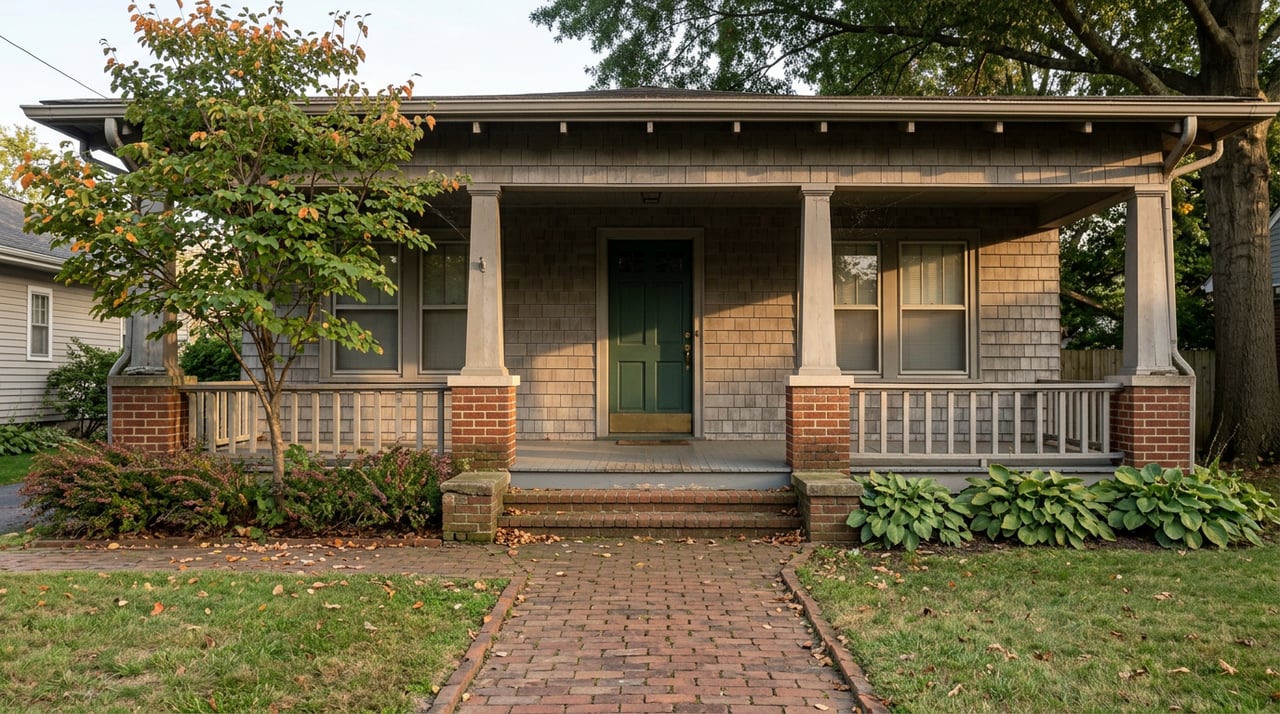
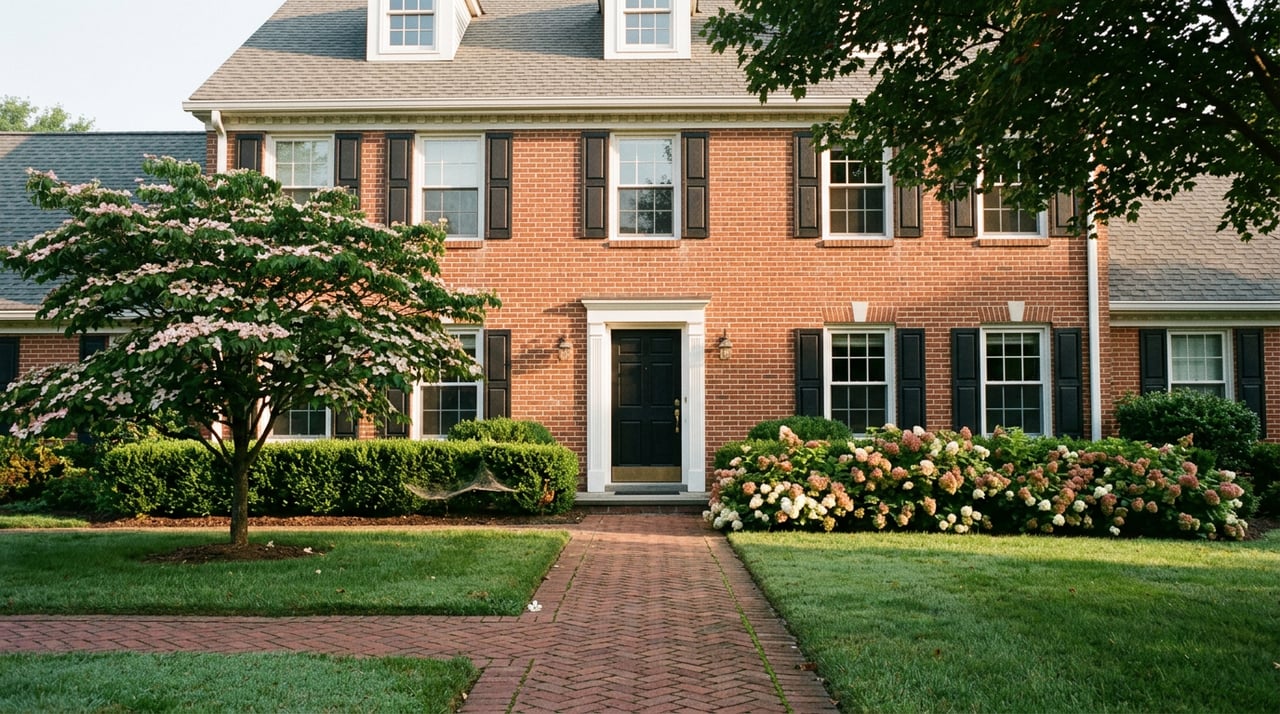
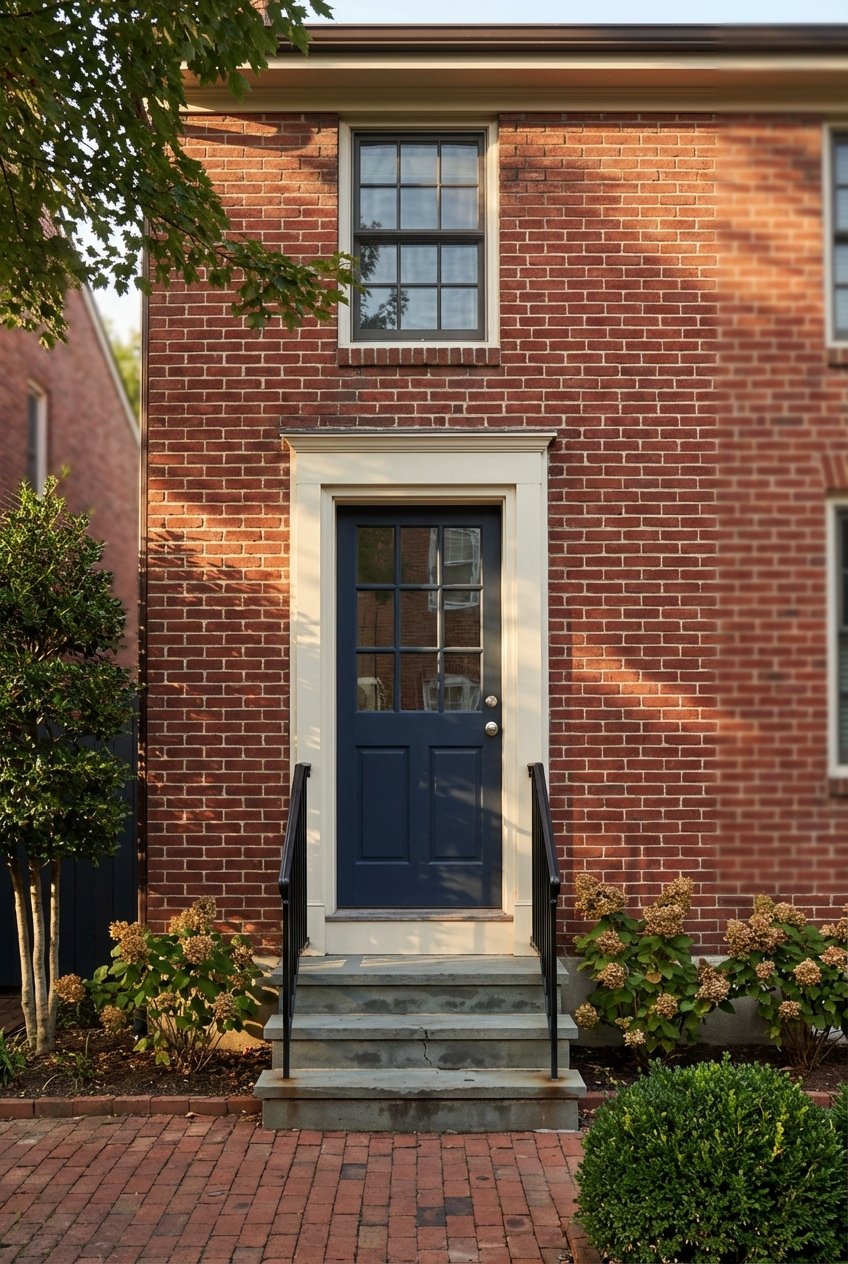
You will see two broad housing experiences in and around the city. In the historic core, downtown streets feature Federal and Victorian-era brick townhouses, small multi-unit buildings, and early 20th-century homes on compact lots. Surrounding areas and nearby communities offer planned neighborhoods with colonials, ranches, split levels, and modern single-family homes with more yard space and garages.
For pricing context, Zillow’s local Home Value Index for the City of Frederick was in the mid-$400,000s as of January 31, 2026, with Frederick County medians near $500,000 depending on ZIP code. Sources publish new numbers monthly, and neighborhood entry points vary by street and condition. If you are comparing a downtown historic home with a newer suburban property, plan for differences in maintenance, yard size, and parking.
A quick way to narrow your search is to align housing type with routine:
- Prefer walking to dinner and events? Start with the historic core and nearby blocks.
- Need a two-car garage and more indoor square footage? Target newer subdivisions on the city’s edge and nearby communities.
- Want both? Consider townhouse clusters or infill options that bridge the two lifestyles.
Getting around the region
Frederick is connected to Washington and Montgomery County by rail and highway, with options that fit different schedules. MARC’s Brunswick Line serves Frederick and Monocacy stations and connects to Rockville and Silver Spring for Metro transfers or goes directly to D.C.’s Union Station. Check the current timetable on the MARC Brunswick Line schedule before you plan your commute.
Frederick County operates TransIT shuttles, local bus connectors, and Meet-the-MARC services that link neighborhoods and park-and-ride lots to the trains. Commuters often use the Monocacy station lot or Urbana park-and-ride to simplify the morning. For locations and connections, review the county’s park-and-ride and commuter services.
If you drive, I-270 takes you toward Montgomery County and Washington, and I-70 heads east to Baltimore. Travel times vary by time of day, so it helps to test your typical window during house hunting. Many residents blend modes across the week, using train plus shuttle on some days and driving on others.
Everyday services and culture
A livable city supports daily needs close to home. Frederick Health operates the region’s primary hospital and specialty locations across the county, which is reassuring when you want care nearby. You can see system details at Frederick Health.
Public schools are managed by Frederick County Public Schools. School assignments depend on your address, and the district offers specialized programs in various locations. For maps and policies, start with Frederick County Public Schools.
On the culture side, the restored Weinberg Center anchors a broader arts network that includes galleries and museums downtown. Seasonal festivals and weekly series keep the calendar full, especially around Carroll Creek and Baker Park, which means you can catch a show or outdoor concert without leaving the core. The events guide linked above is a good snapshot of what to expect year-round.
Is Frederick right for you?
If you value walkability, a steady stream of local events, and quick access to green space, Frederick’s historic city delivers those daily. You can live close to dining and culture, then reach mountain trails or a MARC platform within minutes. The choice between a downtown townhouse and a larger suburban home comes down to your space needs and how you want to spend an average Tuesday.
If you are comparing Frederick with other D.C.-area options, or planning a move from Montgomery County, you do not have to do it alone. For tailored neighborhood guidance, a pricing plan for your current home, or relocation support, connect with Teresa Burton. Request a Free Home Valuation, or ask for a commute and housing brief built around your routine.
FAQs
Is downtown Frederick walkable for daily errands?
- Many downtown addresses post Walk Scores in the 70–90 range, which supports coffee runs, dining, and quick errands without a car, while outer neighborhoods are more car dependent.
Can you commute to Washington by train from Frederick?
- Yes, MARC’s Brunswick Line serves Frederick and Monocacy stations, with TransIT shuttles and park-and-ride lots connecting to trains; check the current MARC schedule.
What are typical home prices in early 2026?
- The City of Frederick’s typical home-value index was in the mid-$400,000s as of January 31, 2026 (Zillow ZHVI), and county medians trend closer to $500,000, with variations by ZIP and property type.
Where do residents go for nearby hikes?
- For everyday green space, head to Baker Park or Carroll Creek; for weekend trails, try Monocacy National Battlefield or overlooks at Gambrill State Park.
What services support families and daily life in Frederick?
- Healthcare is led by Frederick Health, and public schools are managed by Frederick County Public Schools, with arts and events centered around the Weinberg Center and Carroll Creek.