Trying to choose between Downtown Frederick and a nearby neighborhood? You are not alone. Many buyers know they want Frederick, but the real decision comes down to how you want to live day to day. If you are weighing walkability, housing style, parking, commute options, and access to parks, this guide will help you sort through the tradeoffs with confidence. Let’s dive in.
Start With Your Daily Routine
The best place for you often depends less on the home itself and more on how you want your week to feel. Some buyers want to step outside and be close to restaurants, shops, parks, and transit. Others want a more residential setting with easier parking, more detached homes, and a routine built around driving.
In Frederick, that choice often means comparing the historic downtown core with surrounding neighborhoods just outside it. This is not really a question of which area is better. It is more about convenience versus space, transit versus driving, and historic character versus fewer restrictions.
Downtown Frederick Housing Mix
Frederick city housing data shows a different mix than Frederick County overall. The city has a lower share of single-family housing and higher shares of medium- and high-density housing than the county. The city is also more renter-heavy and has slightly older housing stock overall.
That matters when you are narrowing your search. In the City of Frederick, 63.9% of homes are single-family, compared with 80.4% across Frederick County. In practical terms, downtown and close-in city areas are more likely to include attached homes, condos, rowhouses, and smaller-scale buildings.
What Downtown Often Feels Like
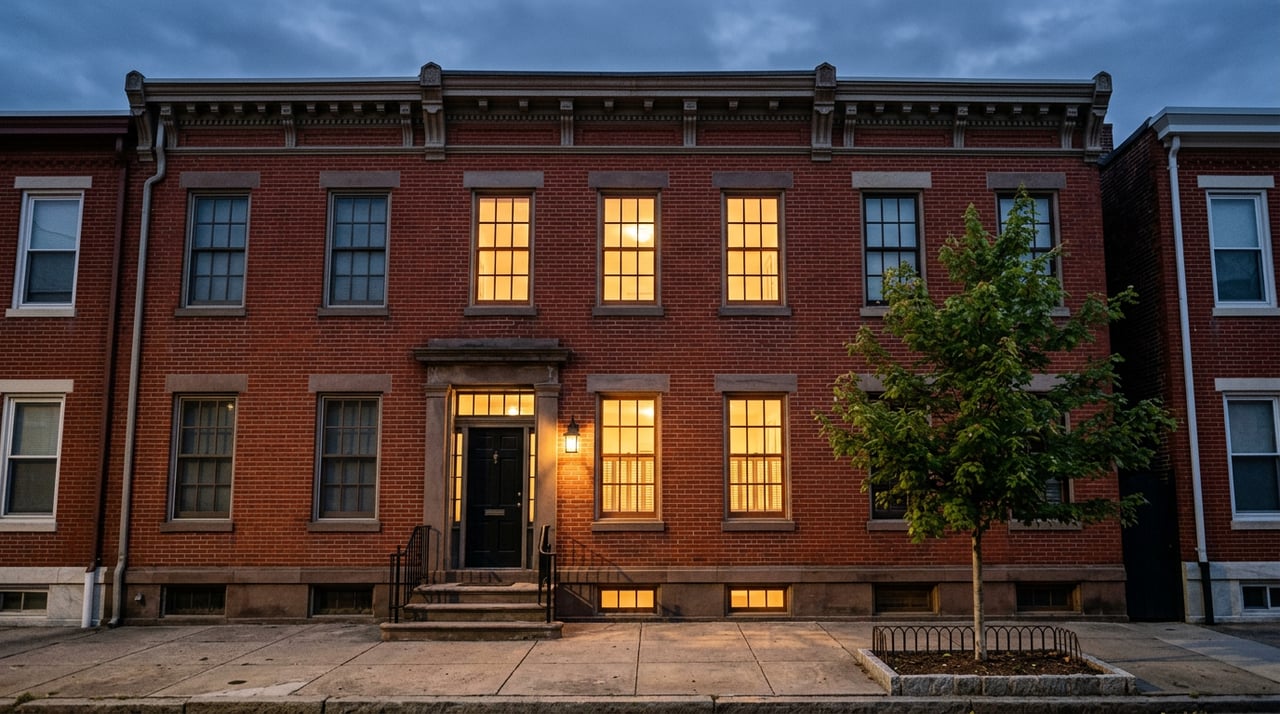
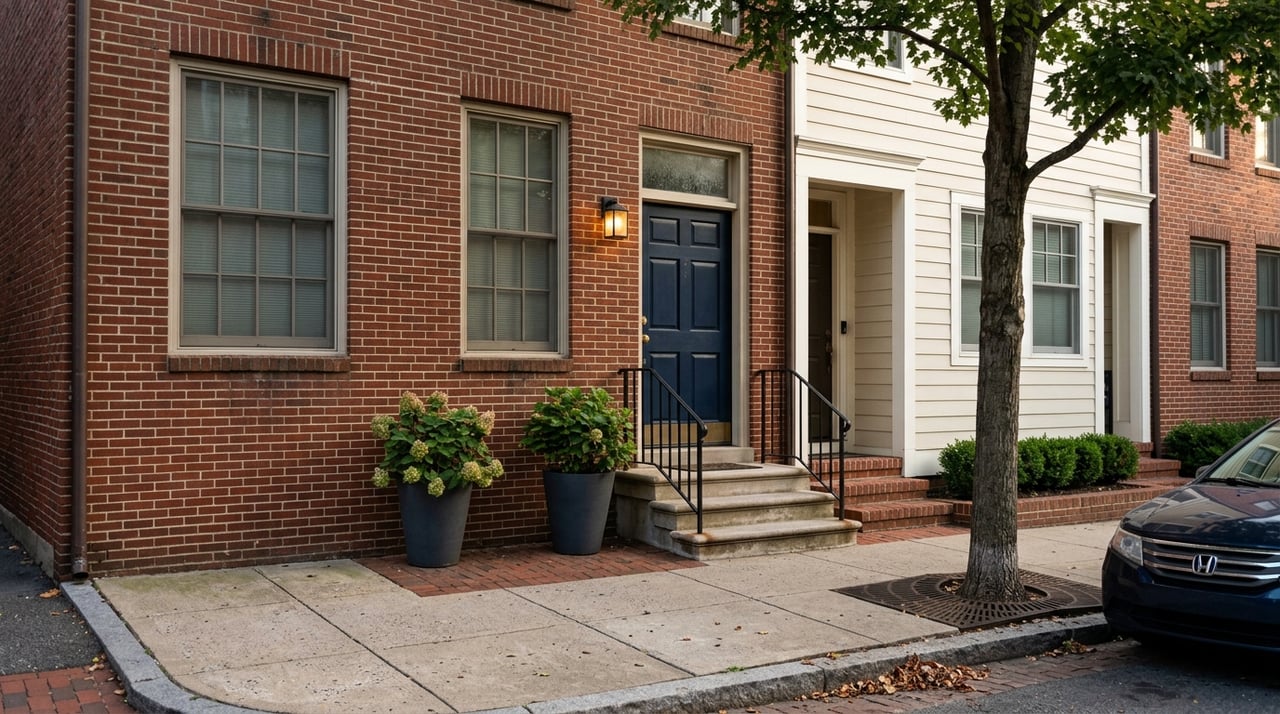
Downtown Frederick sits in an older, more compact urban pattern. Planning language for the area points to the classic Frederick rowhouse and small apartment-building scale. If you like the idea of a home with historic character and a walkable setting, the core may feel like a natural fit.
Downtown Frederick Partnership describes downtown as a historic, walkable district with more than 250 locally owned businesses. That concentration of shops, dining, and arts activity is one of the biggest reasons buyers are drawn to the area.
Historic District Considerations
If you buy in the Frederick Town Historic District, exterior work may require approval from the Historic Preservation Commission. That does not make downtown harder to own, but it does add an extra layer to some projects. If you value flexibility for exterior changes, this is worth keeping in mind early.
Nearby Neighborhood Housing Options
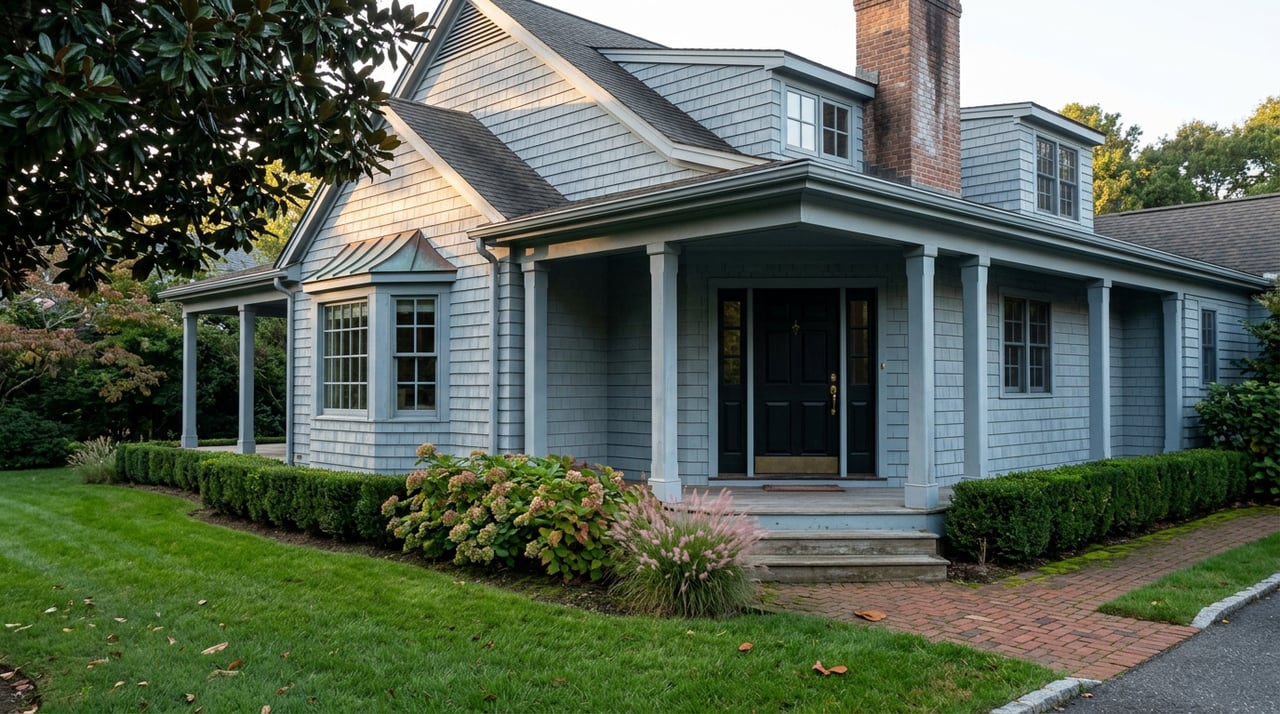
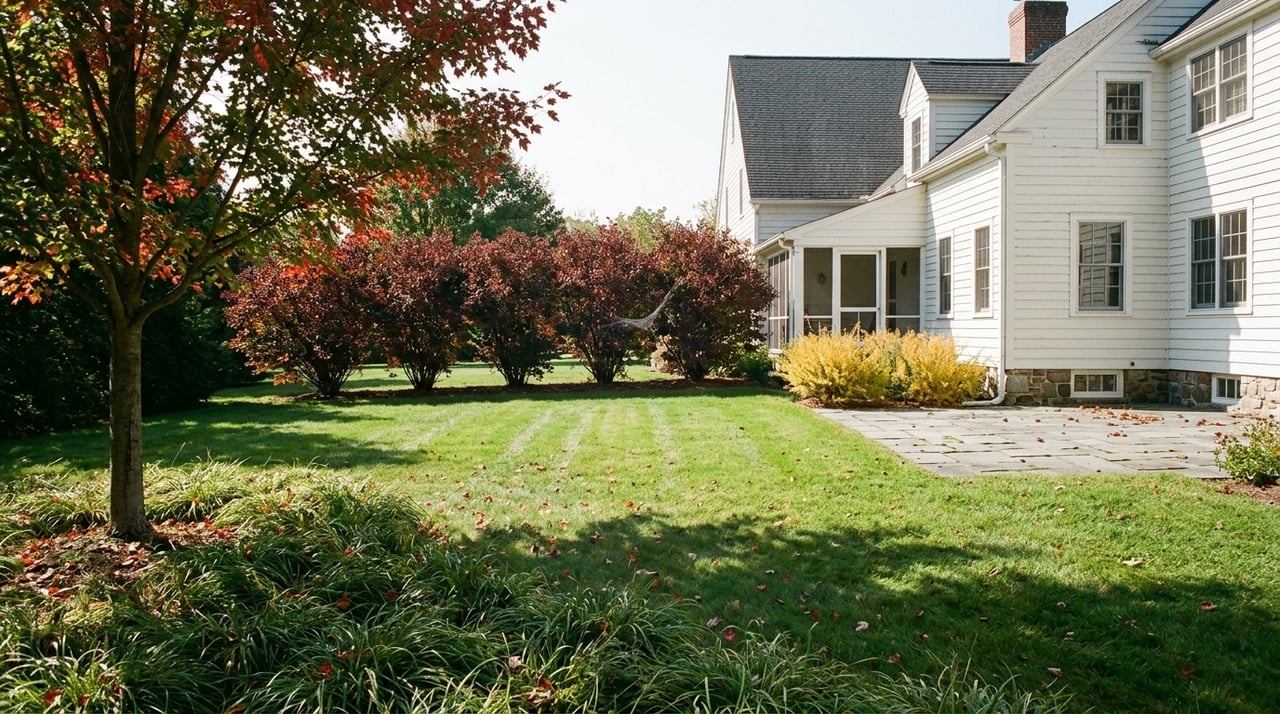
If you move just outside the downtown core, the housing pattern usually shifts. Based on the city and county housing mix, surrounding neighborhoods are generally more detached-home oriented and more suburban in feel. That can appeal to buyers who want a more traditional residential layout.
For many buyers, these neighborhoods offer a simpler day-to-day setup. You may find more predictable parking, more separation between homes, and a routine centered less on walking and more on driving. If that sounds like your comfort zone, nearby neighborhoods may better match your lifestyle.
Commute and Mobility Differences
Your commute can play a big role in this decision. Downtown Frederick has the strongest non-car options in the area. Frederick County Transit says its primary timed-transfer point is the Transit Center in downtown Frederick.
The county operates 9 Connector routes in the city and urbanized areas, along with commuter shuttles and Meet-the-MARC shuttles. County transit materials also point riders to regional options such as MARC commuter rail, commuter bus, Metrobus, and Metrorail. The Maryland Transit Administration says the Brunswick Line runs between Brunswick and Washington Union Station.
Why Downtown Appeals to Commuters
If you want more ways to get around without relying on your car for every trip, downtown has an advantage. Transit access is more centralized there, and many daily errands can be combined into one walkable routine. For relocating professionals and buyers with changing work schedules, that flexibility can be valuable.
Why Nearby Neighborhoods Appeal to Drivers
Parking is one of the clearest downtown tradeoffs. The City of Frederick says downtown includes on-street parking, five public garages, municipal lots, and residential parking options for eligible streets. The city is also moving toward ParkMobile in 2026 and has extended some downtown meter limits to four hours.
If you want the simplest parking routine, areas outside the core may feel easier. Many buyers are happy to trade some walkability for a more predictable arrival-home experience. That can be especially important if most of your routine is car-based.
Parks, Trails, and Outdoor Space
Both downtown and surrounding areas offer access to outdoor spaces, but the experience is different. Downtown Frederick has meaningful green space in an urban form. Baker Park is a 44-acre park in historic downtown with paths, courts, playgrounds, and Culler Lake.
Carroll Creek Linear Park adds walking and biking paths and serves as a setting for community events and gatherings. If you like the idea of walking to a park rather than planning a drive to one, downtown checks that box well.
What Nearby Areas Offer Outdoors
Frederick County generally offers a broader regional parks-and-trails experience. The county says it has more than 28,000 acres of publicly owned parkland and open space. County planning also emphasizes parks connecting Frederick City and Frederick County, along with a wider network of bikeways and trails.
That difference can matter if you want more room between homes and a more spread-out outdoor experience. Downtown gives you access and convenience. Nearby neighborhoods and the county landscape often give you a larger-scale sense of open space.
Everyday Convenience and Errands
One of downtown Frederick’s strongest advantages is how much is clustered together. Downtown Frederick Partnership says the district includes more than 250 locally owned businesses, along with restaurants, galleries, and arts-and-entertainment activity. It also includes walkable civic amenities such as the library and visitor center.
If you want errands, dining, recreation, and events close together, downtown can simplify your day. That kind of convenience is hard to duplicate in a more spread-out residential setting.
Nearby neighborhoods offer a different kind of comfort. Instead of a dense cluster of destinations, you may get a quieter daily rhythm and a setting that feels more residential. Neither approach is right for everyone. The key is knowing which one will feel easier for you over time.
Which Buyers Often Prefer Downtown
Downtown Frederick often fits buyers who prioritize:
- Walkability
- Restaurants and arts activity
- Shorter car-light trips
- Lower-maintenance housing options
- Access to centralized transit options
- Historic character
These buyers are usually comfortable with managed parking and the possibility of historic-district review for some exterior changes. They tend to value being close to activity and amenities more than having extra separation or a detached-home setting.
Which Buyers Often Prefer Nearby Neighborhoods
Surrounding neighborhoods often fit buyers who prioritize:
- More single-family home options
- A more suburban residential feel
- Simpler day-to-day parking
- A routine centered on driving
- More space between homes
- Fewer historic-core constraints
This can be especially appealing if you are relocating and want a familiar suburban layout, or if you know your daily routine will involve regular driving for work, activities, and errands.
Questions to Ask Before You Decide
Before you choose a downtown home or a nearby neighborhood, ask yourself a few practical questions. Your answers can make the right fit much clearer.
How often do you want to walk?
If you want to walk to parks, dining, shops, and civic amenities on a regular basis, downtown may be the stronger match. If you are comfortable driving to most destinations, surrounding neighborhoods may feel more natural.
How important is easy parking?
If convenient parking is a top priority, look closely at homes outside the core. Downtown parking works for many residents, but it usually requires more planning and flexibility.
What kind of home style do you prefer?
If you are open to attached homes, condos, rowhouses, or smaller-scale historic homes, downtown may offer appealing options. If you prefer detached homes and a more suburban layout, nearby neighborhoods may line up better.
Do you want historic character?
Historic settings can offer charm and a strong sense of place. They can also come with added considerations for exterior work. Think about whether you want that character to be part of your ownership experience.
The Best Choice Is Personal
For most buyers, this is not a downtown-versus-suburbs debate. It is a lifestyle decision. Frederick’s own planning vision highlights livable neighborhoods, coordinated transportation choices, and a mix of housing and cultural opportunities, while county planning emphasizes distinct places with parks, trails, and natural landscapes.
That is why the right answer depends on your priorities, not a one-size-fits-all rule. If you want maximum convenience, walkability, and historic energy, downtown Frederick may be the right fit. If you want more single-family options, easier parking, and a more traditional residential routine, a nearby neighborhood may serve you better.
When you are ready to compare homes and neighborhoods in a practical, no-pressure way, Teresa Burton can help you weigh the tradeoffs and find the Frederick fit that matches your lifestyle.
FAQs
Is Downtown Frederick more walkable than nearby neighborhoods?
- Yes. Downtown Frederick offers the strongest concentration of walkable businesses, dining, parks, and civic amenities, along with the area’s main transit hub.
Are there more single-family homes outside Downtown Frederick?
- Generally, yes. City and county housing data show the city has a lower share of single-family homes than Frederick County overall, so nearby neighborhoods are typically more detached-home oriented.
What should buyers know about parking in Downtown Frederick?
- Downtown includes on-street parking, public garages, municipal lots, and some residential parking options, but it usually requires more management than parking in nearby residential areas.
Does buying in historic Downtown Frederick affect home updates?
- It can. In the Frederick Town Historic District, some exterior work may require Historic Preservation Commission approval.
Are there parks in Downtown Frederick?
- Yes. Downtown includes Baker Park, a 44-acre park, and Carroll Creek Linear Park, both of which support walking, recreation, and community gatherings.
How do buyers choose between Downtown Frederick and nearby neighborhoods?
- Most buyers decide based on lifestyle priorities like walkability, housing type, parking ease, commute preferences, and whether they want historic character or a more suburban residential setting.