Torn between a brick rowhouse with original trim and a turnkey townhome with a two-car garage? In Frederick, you can choose either vibe, often within a short drive of one another. The key is knowing how historic homes and new construction differ on rules, maintenance, energy performance, financing, and resale. This guide breaks it all down so you can buy with confidence. Let’s dive in.
Frederick market at a glance
Frederick’s city core and the wider county often show different price points and housing ages. Recent reports in early 2026 put Frederick city’s median home values in the mid-$440k range, while countywide medians trend closer to the $500k level. Exact numbers shift month to month, so check current local data when you start your search.
Age matters here. According to American Community Survey summaries, about 12%–13% of Frederick city’s homes were built in 1939 or earlier, compared with roughly 9%–10% for Frederick County overall. That mix explains why you see more authentically historic homes downtown and more late-1990s-and-newer options in suburban communities. Review the ACS snapshot to understand how age patterns vary by place in Frederick. You can scan those estimates in the Maryland planning office’s ACS summary for Frederick City. See the ACS summary.
What you get with historic homes
Character and architecture
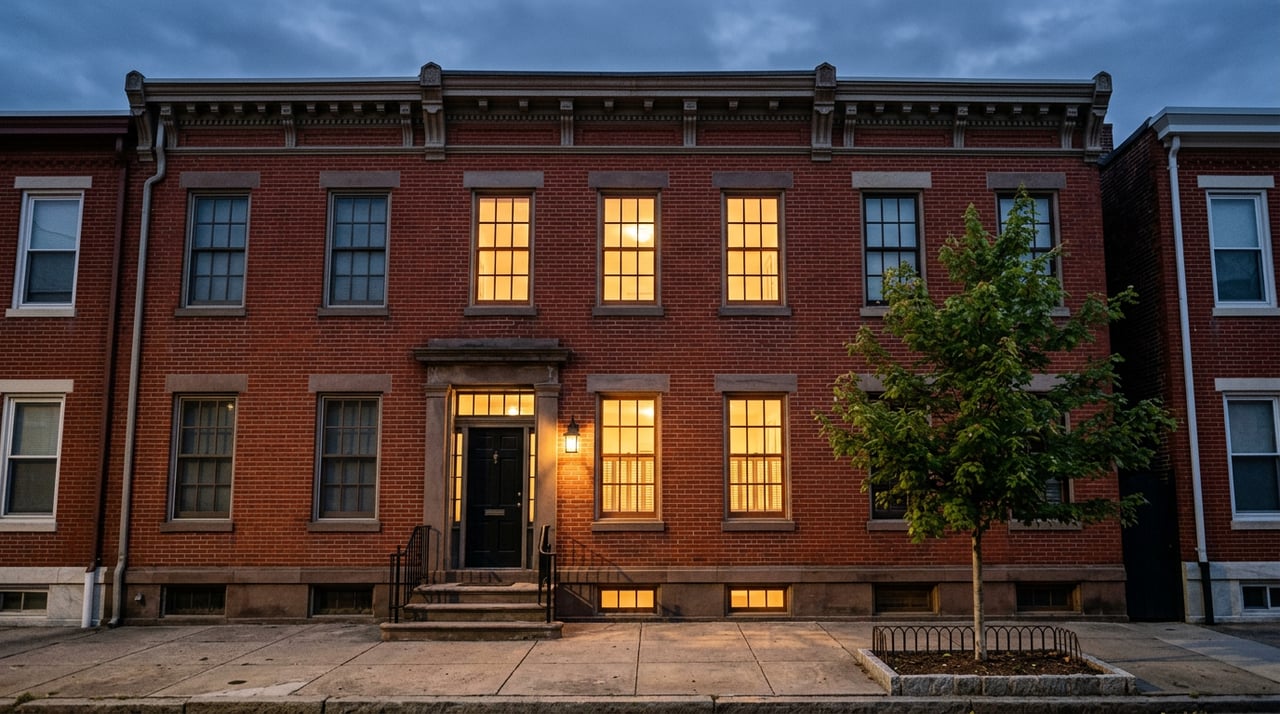
If you love patina and craftsmanship, Frederick delivers. Downtown neighborhoods feature Federal and Greek Revival facades, Victorian-era details like Italianate brackets and Queen Anne bays, and early 20th-century vernacular styles. Expect tall windows, brick fronts, original wood trim, plaster walls, porches, and masonry chimneys that create the character many buyers want. For a deeper look at local styles, review the city’s architectural tour guide created with the University of Maryland. Explore Frederick’s architectural guide.
Downtown Frederick is also a nationally recognized, walkable neighborhood. The American Planning Association has highlighted it for its mix of historic fabric, retail, and public spaces along Carroll Creek. Learn why Downtown Frederick stands out.
Preservation rules you should expect
If a property sits inside the City of Frederick’s local Historic Preservation Overlay, many visible exterior changes require design review and approval. That can include windows, doors, roofs, porches, and masonry work. You will want to factor in application timelines and work with contractors who understand standards. Read the city’s preservation program overview before you plan exterior updates. Review Frederick’s historic preservation page.
Incentives that can help your budget
Maryland offers a homeowner historic revitalization tax credit through the Maryland Historical Trust. Eligible projects can receive a 20% state income tax credit on qualified rehabilitation expenses, capped at $50,000 in a 24-month period, with a $5,000 minimum. Pre-approval is required before work begins, and projects must meet the Secretary of the Interior’s standards. If you plan to restore rather than replace, this credit can meaningfully offset costs. See Maryland’s homeowner historic tax credit.
Maintenance realities to budget for
- Lead-based paint: Homes built before 1978 may contain lead paint. Renovating safely triggers EPA Renovation, Repair and Painting rules, so plan for certified contractors, containment, and clearance. Read EPA lead paint FAQs.
- Asbestos and legacy materials: Some pre-1980 floors, pipe insulation, roofing, and textured coatings can contain asbestos. Testing and certified abatement are recommended rather than DIY. Review EPA guidance for remodeling.
- Brick and mortar care: Soft historic brick needs the right mortar mix and moisture management. The National Park Service recommends repair techniques that avoid damaging original materials. See the NPS mortar repointing brief.
- Historic windows and woodwork: Original wooden windows often perform well when maintained. Weatherstripping and sash repair can preserve character and may qualify for historic credits. Read the NPS wooden windows brief.
- Systems and wiring: Older homes may need electrical service upgrades, modern HVAC, and plumbing updates. Allow time for specialized trades and approvals, especially if work touches character-defining features.
What you get with new construction
Typical locations and layouts
New builds appear both within the city and across the county in master-planned areas like Villages of Urbana, Lake Linganore, and Tuscarora Creek. You will find townhome clusters, single-family homes with open-concept layouts, and some condo options. Many neighborhoods offer community amenities and HOA-managed common areas.
Advantages new homes deliver
- Energy performance: Maryland enforces the 2021 International Energy Conservation Code with state amendments. New homes must meet stricter insulation, HVAC, and building-envelope standards, which can reduce utility costs compared with vintage stock that has not been upgraded. Check Maryland’s energy code status.
- Warranties: Many builders provide layered warranties, often called 1-2-10. That pattern typically covers workmanship for one year, systems for two years, and structural items for up to ten years, sometimes backed by third-party programs like 2-10 HBW. See an overview of builder warranties.
- Predictability: Modern systems, standardized finishes, and recent comps can make appraisals and short-term ownership more predictable.
Tradeoffs to consider
- Neighborhood maturity: Brand-new streetscape, trees, and landscaping take time to fill in. You may need to budget for yard improvements after closing.
- Options and incentives: Builder incentives and preferred-lender tie-ins can change your net price and obligations. Read the fine print so you understand closing costs, rate locks, and upgrade pricing.
- Character: You may trade some one-of-a-kind charm for floor plans that favor convenience and efficiency.
Resale, appraisal, and insurance practicalities
Historic homes can command premiums with buyers who value uniqueness and walkable downtown settings. They can also pose appraisal challenges because there are fewer truly comparable sales. It helps to work with appraisers who understand how preservation and condition affect value. The Appraisal Institute’s literature highlights valuation approaches tailored to historic properties. Read about historic property valuation.
New construction often appraises more smoothly because there are recent sales of the same or similar models nearby. On the other hand, fresh inventory and builder incentives can compress short-term appreciation in certain submarkets. Your agent should review hyperlocal trends before you price a resale or bid on a new build.
For properties near Carroll Creek or the Monocacy River, confirm flood risk. Flood exposure is highly specific to location and can affect insurance and mitigation costs. Local news coverage has documented flood events that are useful context as you assess risk. Scan local flood reporting.
Financing and renovation strategies
If you want a historic home that needs work, you do not have to fund all improvements out of pocket.
- FHA 203(k): This program lets you roll the purchase and renovation into one FHA mortgage. There are limited and standard versions, and you will work with a 203(k) consultant for larger projects. See FHA program information.
- Fannie Mae HomeStyle Renovation: A conventional loan option that also combines purchase and renovation costs. It can be a fit if you prefer a non-FHA route. Explore HomeStyle Renovation.
Both options require clear scopes of work, contractor bids, and comfort with draw schedules. Build time into your plan so you are not rushed on design or pricing.
Inspections and due diligence
For older and historic homes:
- Schedule a full home inspection, and add specialists as needed. A structural engineer can evaluate settlement or foundation movement. Historic masons can assess brick and mortar. If you plan to open walls or refinish surfaces, consider lead and asbestos testing. Review EPA lead safety guidance. See NPS masonry guidance.
For new construction:
- Do a third-party new-home inspection before the final walk-through so your punch list is complete. Review what your builder warranty covers, how to file claims, and whether coverage is transferable. Understand builder warranties.
Historic vs. new: which fits you?
Choose historic if:
- You want architectural character and a walkable lifestyle close to Downtown Frederick’s shops and dining.
- You are comfortable with preservation design review in designated areas and longer timelines for exterior changes. Read Frederick’s preservation rules.
- You plan to restore original materials and may leverage Maryland’s homeowner historic tax credit. See the MHT credit details.
Choose new construction if:
- You prefer low near-term maintenance, modern systems, and strong baseline energy performance under current state codes. Check Maryland’s energy codes.
- You like predictable layouts, attached garages, and neighborhood amenities.
- You value builder warranties and staged, move-in-ready timing.
Quick buyer checklist for Frederick
- Confirm year built and basic property details in public records. Use ACS age data to understand local housing patterns. View the ACS summary.
- If the home is older than 1978, request lead paint disclosures and budget for lead-safe practices if renovating. Read EPA lead paint FAQs.
- Ask for service records and any warranty documents for roofs, panels, HVAC, and appliances. For new builds, confirm what the 1-2-10 warranty covers. See warranty basics.
- Order a full inspection and targeted specialty reports as needed: structural, masonry, lead and asbestos tests, and termite/WDI. Review NPS masonry guidance.
- Check flood exposure if you are near Carroll Creek or Monocacy. Insurance and mitigation costs depend on precise location. See local flood reporting.
- If you plan upgrades, ask lenders about FHA 203(k) or Fannie Mae HomeStyle so you can roll work into the mortgage. Explore FHA 203(k). Explore HomeStyle.
Neighborhood snapshots
- Historic core: Downtown Frederick and surrounding streets, including the Baker Park and Hood College areas, offer a concentration of 19th- and early 20th-century homes with walkable access to dining, culture, and the Carroll Creek promenade. See why Downtown Frederick is a Great Place.
- Newer communities: Villages of Urbana, Lake Linganore, and Tuscarora Creek provide modern floor plans, newer systems, and community amenities, with a range of townhomes and single-family options.
Ready to compare real homes and tailor a plan for your timeline and budget? Get local guidance that balances character, convenience, and long-term value. Reach out to Teresa Burton for a consult, or Request a Free Home Valuation if you are planning a sale alongside your next purchase.
FAQs
What counts as a historic home in Frederick?
- In practice, homes within the City of Frederick’s local Historic Preservation Overlay and properties dating to earlier architectural periods are treated as historic for exterior work and design review. Review the city’s preservation program.
How do approvals work in Frederick’s Historic Preservation Overlay?
- Visible exterior changes in designated areas usually require design review and approval. Build time into your project plan and work with contractors familiar with standards to avoid delays. See preservation guidance.
Are there Maryland tax credits for restoring a historic house?
- Yes. Eligible homeowner projects can receive a 20% state income tax credit on qualified rehab expenses, capped at $50,000 over 24 months, with pre-approval required. Learn about the MHT homeowner credit.
Do new homes in Maryland have better energy performance?
- Generally yes. New builds must meet the 2021 energy code standard adopted by the state, which sets stricter insulation and system requirements than older codes. Check Maryland’s energy code status.
How do builder warranties work on new construction?
- Many builders offer a 1-2-10 structure: about one year for workmanship, two years for major systems, and up to ten years for structural items, often with third-party backing. Always read the specific coverage terms. See an overview of builder warranties.
Can I finance renovations into my mortgage for an older Frederick home?
- Yes. FHA 203(k) and Fannie Mae HomeStyle Renovation loans let you combine purchase and renovation costs into one mortgage, with specific rules and documentation. Explore FHA 203(k). Explore HomeStyle.