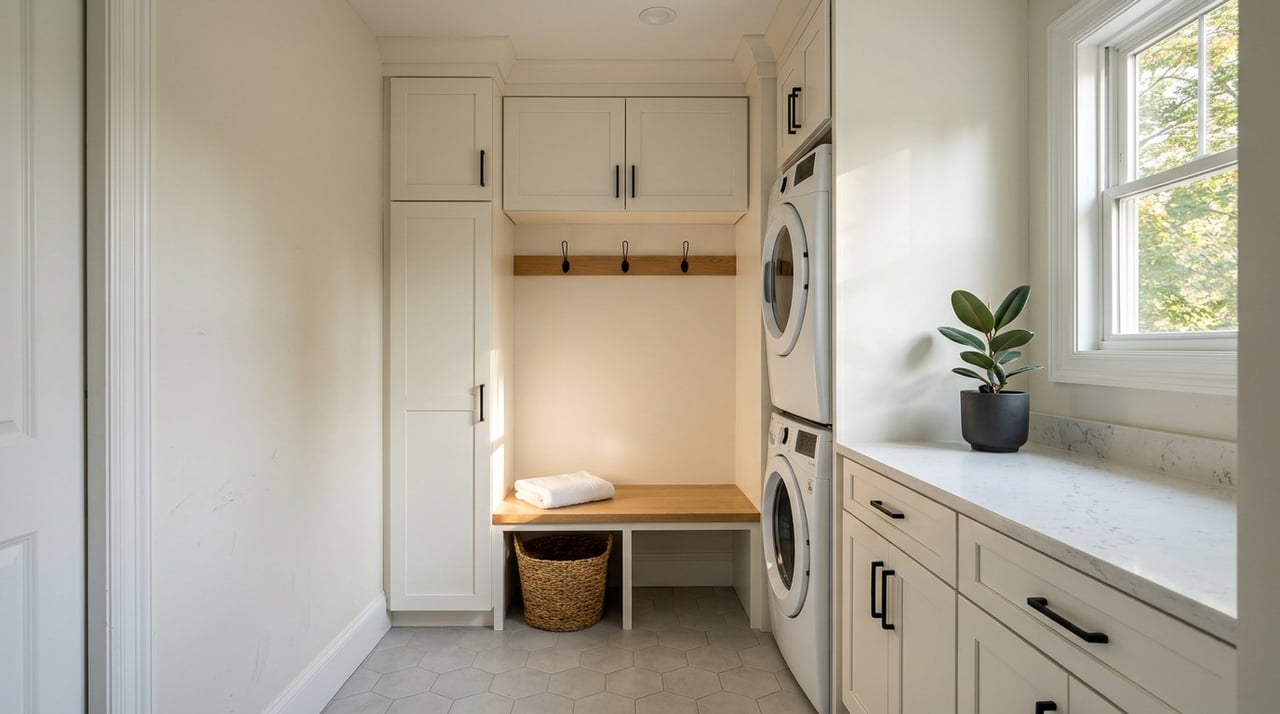
If you plan to sell your Montgomery County home, timing matters more than many sellers expect. Even in an active mid-2026 market, buyers still compare options closely, notice presentation, and can slow down when paperwork or repair questions pop up. A clear prep timeline helps you avoid last-minute stress, focus on the updates that matter most, and launch with confidence. Let’s walk through what to do and when.
Why timing matters in Montgomery County
Montgomery County is active, but it is not a market where every home can skip preparation and still expect the best result. Realtor.com reported a median listing price of $639,000 in June 2026, about 3,500 homes for sale, a median 29 days on market, and a 100% sale-to-list ratio. Redfin also reported a median sale price of $695,000 over the last three months and an average of 32 days on market.
That sounds strong, but countywide numbers only tell part of the story. Recent Realtor.com city-level data showed Silver Spring at a $449,900 median listing price and 30 days on market, Rockville at $650,000 and 23 days, Bethesda at $1.299M and 38 days, and Gaithersburg at $525,000 and 24 days. That range is a good reminder that your prep plan should fit your neighborhood, price point, and property condition.
Start 6 to 12 months out
If your home needs more than cosmetic touch-ups, start early. This window gives you time to sort repairs, contractor schedules, permits, and any records that may be needed before you list. It is especially helpful for older homes or properties with past improvements.
Walk through your home with fresh eyes
Begin with a full home walkthrough and separate projects into two groups: cosmetic fixes and larger work. Cosmetic items might include paint touch-ups, flooring refreshes, or cabinet hardware. Larger items might include decks, electrical work, HVAC replacement, fencing, or interior alterations.
Montgomery County Department of Permitting Services says permits are likely needed for additions, decks, electrical work, interior alterations, fences, HVAC replacements, pools, and other project types. The county also notes that painting, cabinets, floor coverings, gutters, siding, and window or door replacements that do not change the opening size generally do not require permits. HOA rules and municipal requirements may still apply, so those should be checked too.
Check permit history early
Unpermitted work can create delays during disclosure, inspection, or title review. If you added space, finished a basement, replaced major systems, or made structural changes in the past, gather records now. It is much easier to sort permit questions months before listing than during contract negotiations.
Know if lead-related rules apply
If your home was built before 1978, lead-related rules may affect your timeline. Federal law requires sellers of most pre-1978 homes to disclose known lead-based paint or hazard information before the contract is signed. Buyers must also receive a 10-day period to inspect or assess for lead hazards.
Maryland’s MHIC notes that renovation, repair, or painting projects that disturb lead-based paint require EPA certification and lead-safe work practices. If that applies to your home, contractor selection and scheduling become even more important. This is one reason older homes often benefit from a longer prep runway.
Focus on repairs 3 to 6 months out
This is the phase for practical improvements that buyers will notice and that may affect inspection discussions later. Think less about over-improving and more about making the home feel well cared for, functional, and ready for market.
Prioritize visible, high-impact work
The strongest recommendations in NAR’s 2025 staging research support a simple approach. The most common seller recommendations were decluttering the home, cleaning the entire home, and improving curb appeal. Those projects often do more for first impressions than expensive upgrades buyers may never notice.
A smart repair list may include:
- fixing worn or damaged flooring
- touching up paint where needed
- servicing obvious maintenance items
- repairing loose hardware, doors, or trim
- refreshing landscaping and front entry areas
- addressing anything that makes the home feel unfinished
Confirm contractor licensing
If you hire contractors for covered work, Montgomery County says the contractor must have an MHIC license to obtain a permit. This is a good time to gather bids, confirm licensing, and make sure any larger project is documented properly. Clean records and completed work can help reduce friction once buyers begin asking questions.
Prepare for photos 4 to 8 weeks out
Once repairs are done, your focus should shift from fixing to presenting. This is when your home should start looking simple, consistent, and photo-ready.
Declutter and simplify
Clutter makes rooms feel smaller and distracts buyers from the home itself. Removing extra furniture, personal items, and crowded surfaces can make spaces feel more open and easier to understand online and in person.
NAR found that 83% of buyers’ agents said staging made it easier for a buyer to visualize a property as a future home. The most commonly staged rooms were the living room, primary bedroom, dining room, and kitchen. If you are deciding where to spend time and money, start there.
Decide how much staging you need
Not every home needs full professional staging. Some homes benefit most from light editing, furniture rearranging, and a few added finishing touches. Others may need more support to compete well in their price range.
NAR reported a median staging-service cost of $1,500, compared with $500 when the seller’s agent handled staging. That gives you a useful frame for budgeting. If concierge-style prep support is available, this is the stage when it can help create a more polished launch without turning your timeline upside down.
Finish strong 1 to 2 weeks before launch
The final stretch should be about details, consistency, and paperwork. By this point, the home should already be repaired, cleaned, and visually prepared.
Deep clean and final walkthrough
Before photography and marketing begin, do a final clean and a full walkthrough. Look for burned-out light bulbs, scuffed walls, loose towels, crowded counters, and anything else that may stand out in photos. Small distractions become much more noticeable online.
That matters because buyers often form their first impression before they ever schedule a showing. NAR reported that buyers’ agents rated listing photos as highly important, along with traditional staging, videos, and virtual tours. It also found that 31% of buyers’ agents said staged homes made buyers more willing to walk through a home they first saw online.
Organize your Maryland disclosure packet
In Maryland, the seller must deliver either the residential property disclosure statement or the disclaimer statement on or before entering into the contract of sale. If the buyer does not receive it on time, the buyer has an unconditional right to rescind within five days of receipt. That means your paperwork should be organized before the home goes live, not after you receive an offer.
A complete pre-listing file can include:
- permit records for major work
- HOA or municipal approvals, if applicable
- lead-related information for pre-1978 homes, if applicable
- repair invoices and contractor details
- the Maryland disclosure or disclaimer form
Plan for contract to closing
Your prep timeline does not stop once the home is listed. Settlement details can affect your net proceeds and your closing process, so they should be reviewed early.
Montgomery County says all real estate taxes must be current before the deed can transfer to the new owner. If the property tax bill is unpaid at settlement, the settlement attorney collects it. The county also says the county transfer tax is typically 1% of the selling price, so sellers should account for that when planning their expected proceeds.
A simple Montgomery County prep checklist
If you want a quick planning guide, this is a practical timeline to follow:
6 to 12 months before listing
- walk through the home and build a repair list
- separate cosmetic fixes from permit-related work
- check permit history for past improvements
- confirm whether lead-related rules apply
- review HOA or municipal requirements
3 to 6 months before listing
- complete visible repairs and maintenance
- gather contractor bids
- confirm MHIC licensing for covered work
- improve curb appeal
- begin reducing clutter
4 to 8 weeks before listing
- finish decluttering
- stage key rooms if needed
- simplify decor and furniture layouts
- prepare the home for photography and tours
1 to 2 weeks before listing
- deep clean the entire home
- complete a final walkthrough
- finish photos and marketing materials
- organize your disclosure or disclaimer packet
The value of a neighborhood-specific plan
A Bethesda listing and a Silver Spring listing may not need the same level of prep, pricing strategy, or launch timing. The same is true for a move-up single-family home in Rockville versus a townhouse in Gaithersburg. Countywide averages are useful, but they should not replace local judgment.
That is where a tailored plan makes a real difference. The right timeline depends on your submarket, your home’s condition, and how buyers are behaving in your price range right now. Thoughtful preparation can help you avoid delays, support stronger presentation, and enter the market with fewer surprises.
If you are thinking about selling in Montgomery County and want a practical plan built around your home, your timing, and your neighborhood, Teresa Burton can help you map out the next steps with clear, steady guidance.
FAQs
How early should you start preparing a Montgomery County home for sale?
- A practical timeline is 6 to 12 months if your home may need repairs, permits, or lead-safe work, and 30 to 60 days for cosmetic prep, staging, and photography.
What updates matter most before listing a Montgomery County home?
- The most supported priorities are decluttering, deep cleaning, improving curb appeal, and focusing on the main living spaces buyers notice first.
Do Montgomery County sellers need to check permits before listing?
- Yes. Montgomery County says many additions and alterations require permits, and missing records or unpermitted work can create delays during disclosure, inspection, or title review.
What should sellers know about older Montgomery County homes built before 1978?
- If your home was built before 1978, you may need to address lead-based paint disclosure requirements, and any renovation work that disturbs lead-based paint may require EPA-certified contractors using lead-safe practices.
When do Maryland sellers need to provide the property disclosure or disclaimer?
- In Maryland, the seller must provide the residential property disclosure statement or disclaimer statement on or before entering into the contract of sale.