If you are wondering whether Maryland Line feels like a suburb, a small town, or something more rural, the short answer is: it leans rural in the best and most practical ways. For many buyers, that can be appealing, especially if you want more space, quieter surroundings, and a commute pattern built around driving rather than dense local traffic. This guide will help you understand what everyday life in Maryland Line really looks like, from errands and roads to recreation and housing. Let’s dive in.
Maryland Line at a glance
Maryland Line sits in northern Baltimore County near the Pennsylvania border. Baltimore County planning maps place it in the county’s rural north, and the county’s Urban-Rural Demarcation Line has separated urban and rural areas since 1967.
That planning framework helps explain the area’s overall feel. Instead of tightly packed neighborhood streets and a dense commercial core, you are more likely to see larger lots, roadside frontage, and a road network shaped by state routes and local roads.
A more spacious daily setting
One of the clearest day-to-day differences in Maryland Line is the sense of space. Maryland planning data shows that average parcel size outside Priority Funding Areas is about 2 acres statewide, which offers a useful benchmark for understanding why outlying communities can feel more open than denser suburbs.
In practical terms, that can mean more separation between homes, wider views, and a landscape that feels less built up. If you are moving from a closer-in suburb, that shift may be one of the first things you notice.
Errands and services feel local
Maryland Line has a modest service footprint, which shapes the rhythm of everyday life. USPS lists a Maryland Line Post Office on York Road, and the Maryland Line Volunteer Fire Company has served northern Baltimore County since 1943.
In smaller communities, civic institutions often do more than provide essential services. The fire company’s public calendar includes flea markets, fundraisers, Easter egg hunts, and Santa runs, which gives you a sense of how community life can gather around shared local events rather than a traditional main street.
That does not mean you will find every errand right around the corner. It does mean your routine may feel more intentional, with a stronger dependence on planning trips by car and using a handful of local anchors.
Utilities may reflect a rural setup
Another important part of day-to-day living is infrastructure. In rural Baltimore County, the county’s water and sewer plan says private onsite sewage disposal systems are predominant outside the Urban-Rural Demarcation Line, and the county’s well and septic guidance says homes outside public water and sewer service areas are likely to use a private well and onsite sewage disposal system.
That does not mean every property in Maryland Line has well and septic. It does mean buyers should expect that rural infrastructure may be part of the conversation when comparing homes.
If you are used to public water and sewer, this is one of those details worth understanding early. It can affect maintenance routines, inspections, and how you think about property systems over time.
Roads shape everyday convenience
Getting around in Maryland Line is closely tied to the road network. The community is built around MD 45, MD 439, and the I-83 corridor, which makes driving a central part of most daily routines.
MDOT also notes that roads without interstate, U.S., or Maryland route shields are usually not state-maintained. For residents, that can matter in practical ways, especially when you are thinking about road repairs, maintenance responsibility, or snow removal on the roads you use most often.
In a place like Maryland Line, road conditions are not just background details. They are part of how your week works, from commuting to school drop-offs to everyday errands.
Commuting is car-centered
If commute access matters to you, Maryland Line offers a very road-based setup. State highway notices place the community between Exit 36 at MD 439 and Exit 37 at the Maryland-Pennsylvania line, and Commuter Connections lists a Maryland Line Park & Ride lot at I-83 Exit 36/MD-439 with 120 spaces.
That park-and-ride lot is intended for carpools, vanpools, and transit riders, which strongly suggests that the local commute pattern centers on driving and ride-sharing rather than frequent neighborhood transit. For many buyers, that is an important lifestyle clue.
A reasonable takeaway is that many residents head south toward Baltimore County job centers or north into Pennsylvania for work. If you want a home base with regional access, Maryland Line may fit that need well.
Outdoor access is a real perk
For many buyers, one of Maryland Line’s strongest lifestyle advantages is proximity to outdoor recreation. Northern Baltimore County offers access to major natural areas, including Gunpowder Falls State Park.
According to Maryland DNR, Gunpowder Falls State Park covers more than 18,000 acres and includes more than 120 miles of trails. It also offers fishing, kayaking, canoeing, historic sites, and a swimming beach and marina.
The Torrey C. Brown Rail Trail is another standout nearby resource. Maryland DNR says the trail runs 19.7 miles along the former Northern Central Railway from Ashland to the Pennsylvania line and is open to hikers, joggers, bicyclists, horseback riders, and leashed pets.
That kind of access can shape your routine in a meaningful way. If you enjoy getting outside on weekends or even squeezing in a quick walk or bike ride, Maryland Line puts you within reach of some of northern Baltimore County’s best-known recreational assets.
Homes often match the rural setting
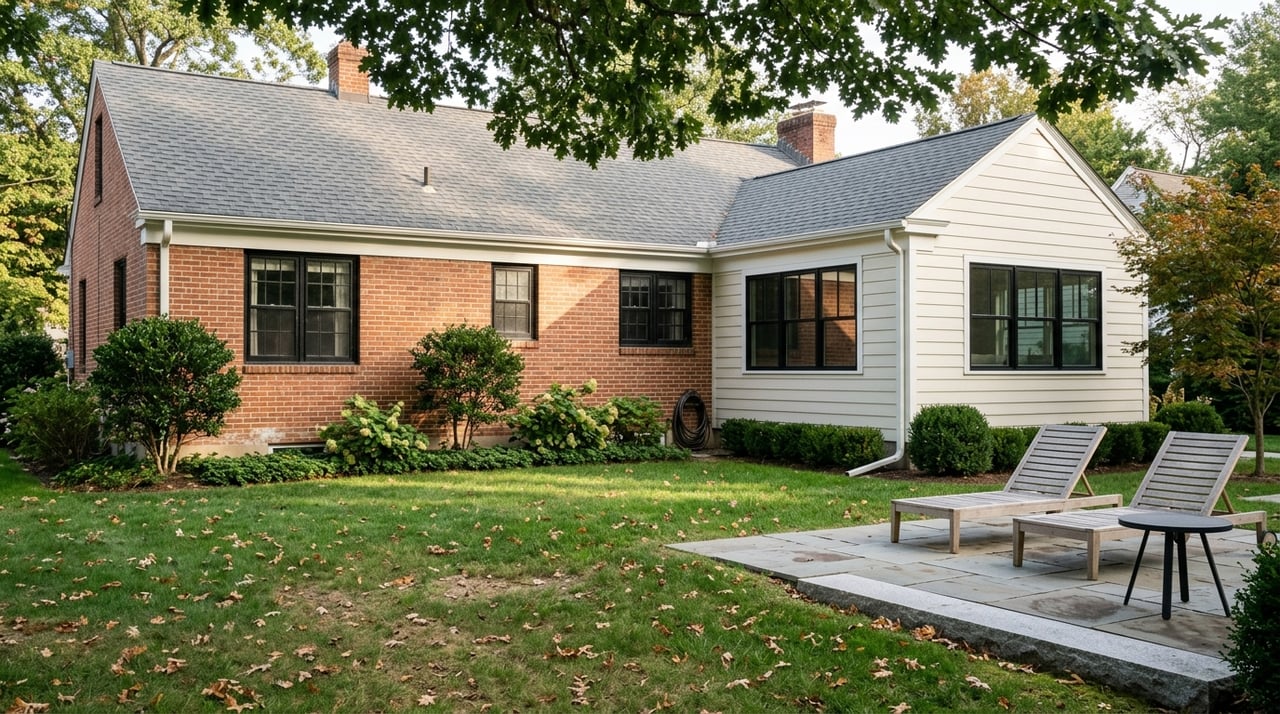
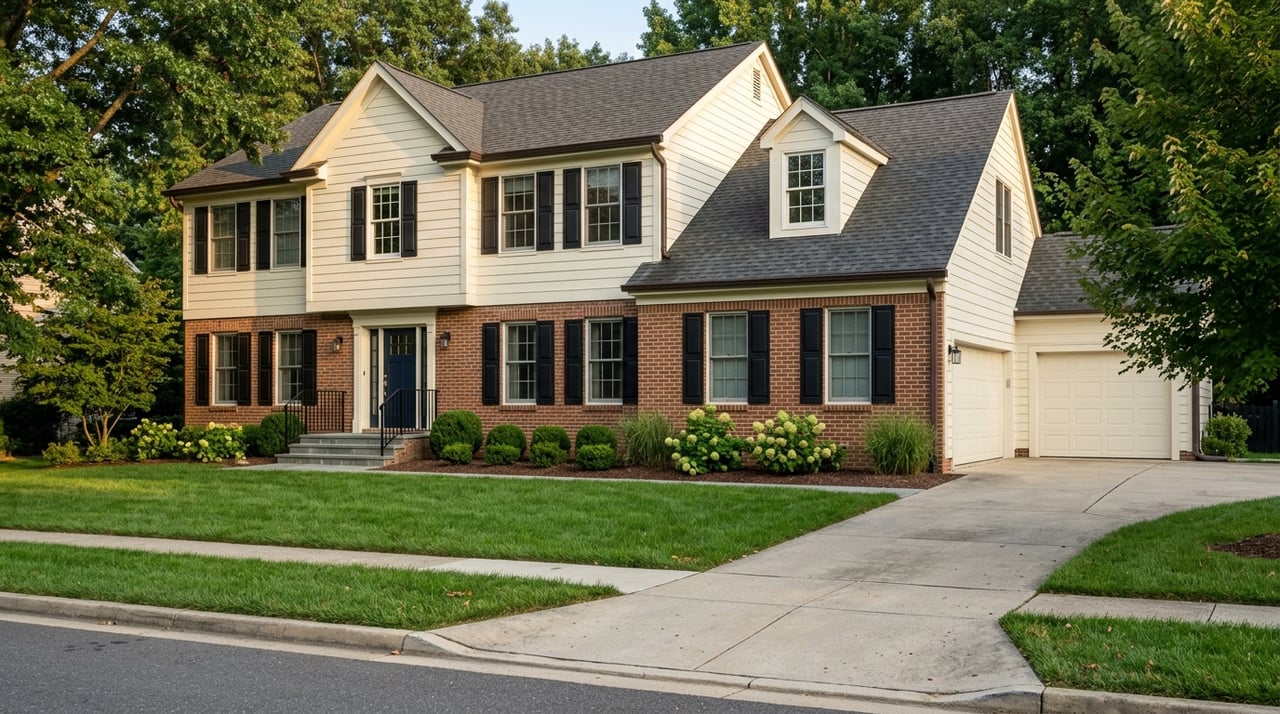
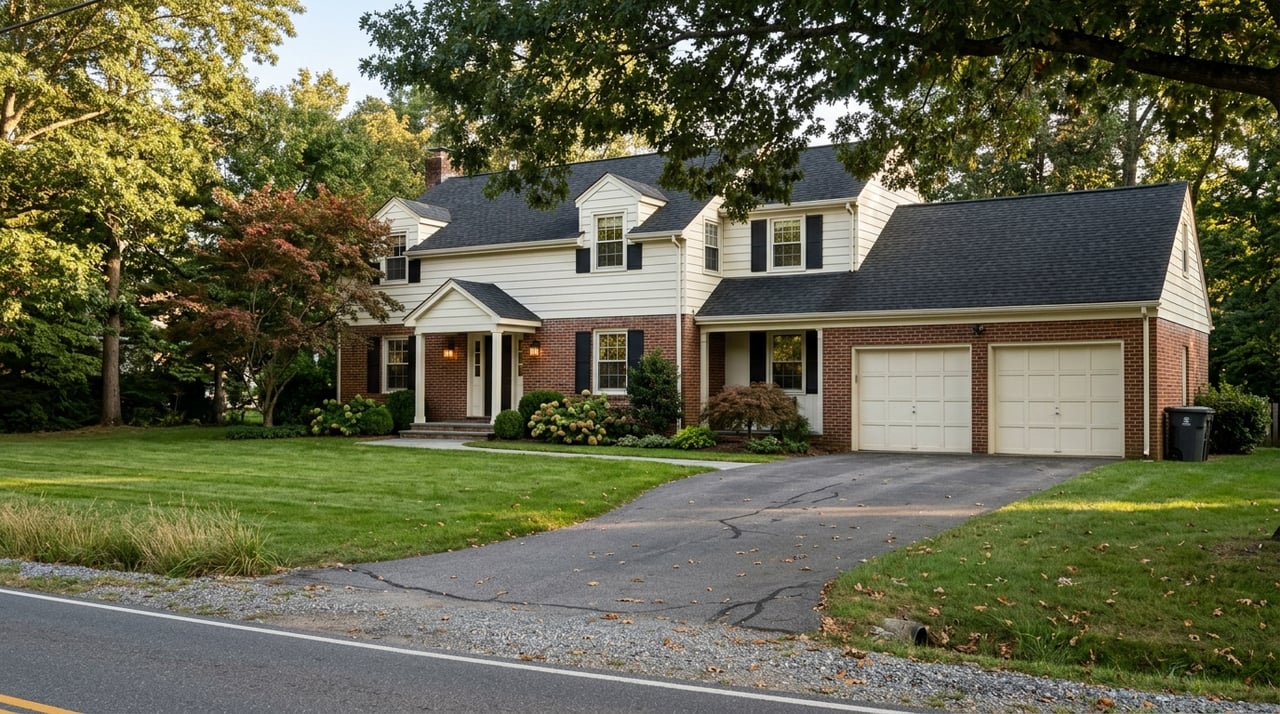
The housing pattern in Maryland Line tends to align with the area’s overall character. Recent listing examples in the community show detached single-family homes, older construction, farmhouse or colonial styling, and larger lots.
Examples in the research include homes dating to the late 1800s, with features such as open yards, detached garages, acreage, and land backing to farmland. While every property is different, those examples help paint a realistic picture of what many buyers associate with the area.
If you are searching for a home with more breathing room, older architectural character, or a setting that feels less compressed than a typical suburb, Maryland Line may stand out. It is less about a dense neighborhood experience and more about space, setting, and function.
Who Maryland Line may suit best
Maryland Line can be a strong fit if you value privacy, open space, and a quieter day-to-day rhythm. It may also appeal if you are comfortable with a car-centered lifestyle and want access to both Baltimore County and southern Pennsylvania routes.
This setting can be especially appealing for buyers relocating from denser areas who want a more rural feel without giving up regional connectivity. The tradeoff is that you are choosing space and a calmer environment over a walkable commercial district.
That tradeoff is not a drawback for everyone. For the right buyer, it is exactly the point.
What to think about before you buy
If Maryland Line is on your list, it helps to focus on a few practical questions during your search:
- How much land do you want to maintain?
- Is a well or septic system something you are comfortable evaluating?
- Which roads will you use most often for your commute?
- Do you want quick highway access for work or travel?
- Are outdoor recreation and open space a priority in your routine?
These questions can help you sort out whether the lifestyle matches your needs, not just whether a home looks appealing online.
Maryland Line offers a distinct version of Baltimore County living. It reads as a rural-border community with space, road-based convenience, civic anchors, and strong access to trails and open land. For many buyers, that combination is exactly what makes day-to-day life here appealing.
If you are exploring Maryland Line or comparing it with other commuter-friendly communities, working with a steady local advisor can help you weigh the lifestyle details that matter most. To start the conversation, connect with Teresa Burton.
FAQs
What is the overall feel of daily life in Maryland Line, Maryland?
- Maryland Line generally feels rural and more spacious than denser suburbs, with larger lots, a quieter setting, and daily routines that often revolve around driving.
What utilities should buyers expect in Maryland Line, Maryland?
- In this part of rural Baltimore County, some homes outside public service areas are likely to use a private well and onsite sewage disposal system, so buyers should be prepared to ask about utility setup property by property.
What is commuting like from Maryland Line, Maryland?
- Commuting in Maryland Line is largely car-based, with access centered around MD 45, MD 439, I-83, and the Maryland Line Park & Ride at Exit 36.
What kinds of homes are common in Maryland Line, Maryland?
- Buyers often associate Maryland Line with detached single-family homes, older construction, farmhouse or colonial styling, and larger lots.
What outdoor recreation is near Maryland Line, Maryland?
- Nearby recreation includes Gunpowder Falls State Park and the Torrey C. Brown Rail Trail, offering trails, biking, hiking, fishing, paddling, and other outdoor activities.
Is Maryland Line, Maryland a good fit for buyers who want walkability?
- Maryland Line is better suited to buyers seeking space, quiet, and regional road access than those looking for a walkable commercial core.