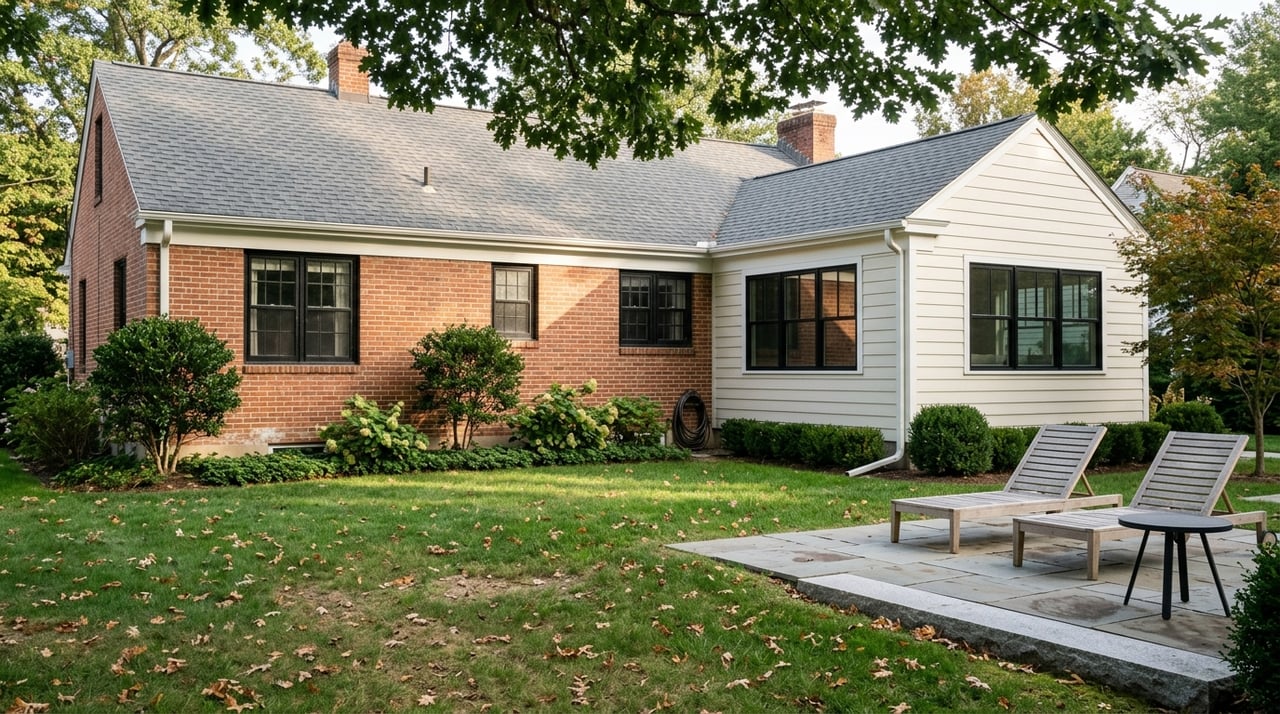
If you own a home in Great Falls, one big question can shape your next few years and your long-term property value: should you renovate the house you have, or start over with a rebuild? It is a high-stakes decision, especially in a market where buyers still pay for quality, but not every upgrade gets rewarded the same way. The good news is that Great Falls has clear local factors that can help guide the choice, from lot conditions to county approvals to resale fit. Let’s dive in.
Why Great Falls changes the equation
Great Falls is not a place where every property upgrade follows the same playbook. Fairfax County planning documents describe the area as semi-rural, with large lots, estates, farms, woodlands, streams, and properties affected by floodplain or steep-slope constraints.
That setting matters because your decision is not just about the house itself. It is also about how the home fits the lot, the surrounding streetscape, and the area’s low-density character. In Great Falls, a successful upgrade usually respects both the property and the site.
The current market also supports a thoughtful approach. As of April 2026, the median sale price in Great Falls was $1,864,037, homes sold in a median of 34 days, and the market was described as somewhat competitive. On average, homes sold about 1% below list price, while hot homes could sell about 5% above list price.
That tells you something important: buyers are willing to pay for strong presentation and quality execution, but bigger is not automatically better. The smartest investment is usually the one that improves usability, appearance, and site fit without overreaching.
When renovation makes more sense
For many Great Falls homeowners, renovation is the first path worth testing. If your house has solid structure and the main issues are layout, finishes, or older systems, updating the existing home may offer a cleaner and more practical solution.
Fairfax County treats many common home updates as residential permit work. That can include kitchen renovations, bathroom remodels, finished basements, new walls, and new window or door openings. In other words, many meaningful improvements fall within a familiar renovation process rather than a full replacement of the home.
Good bones, better layout
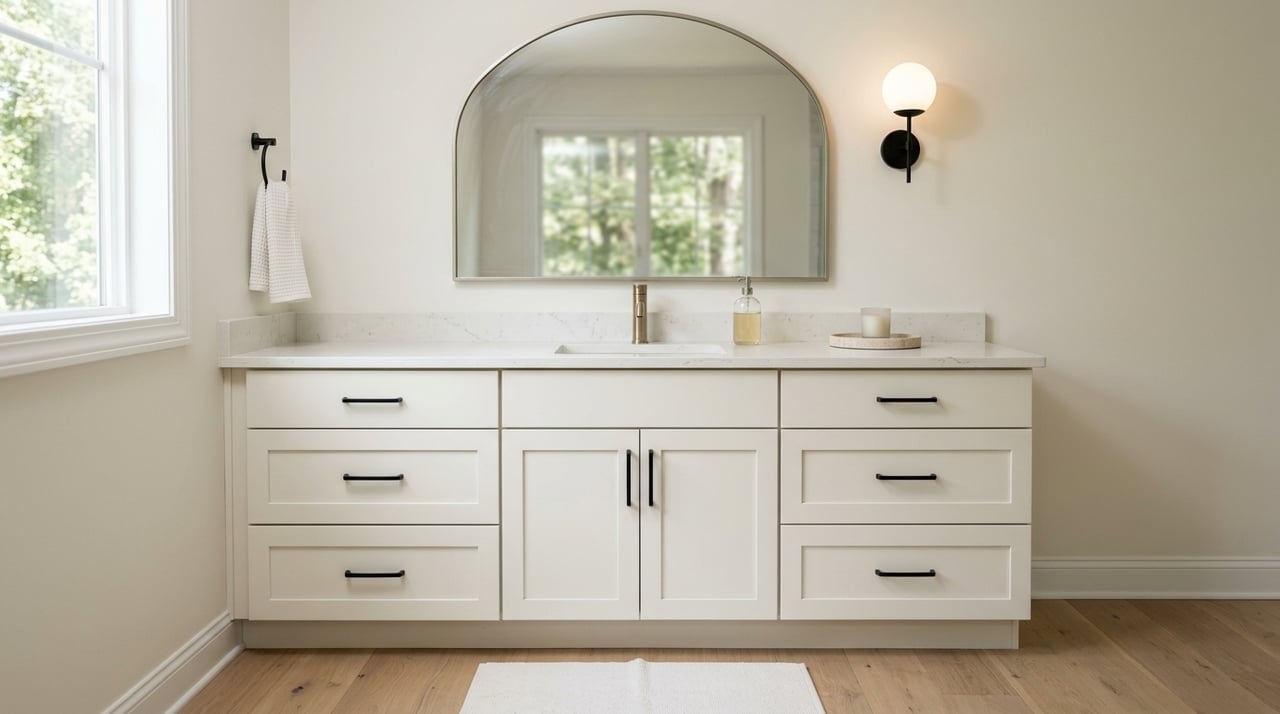
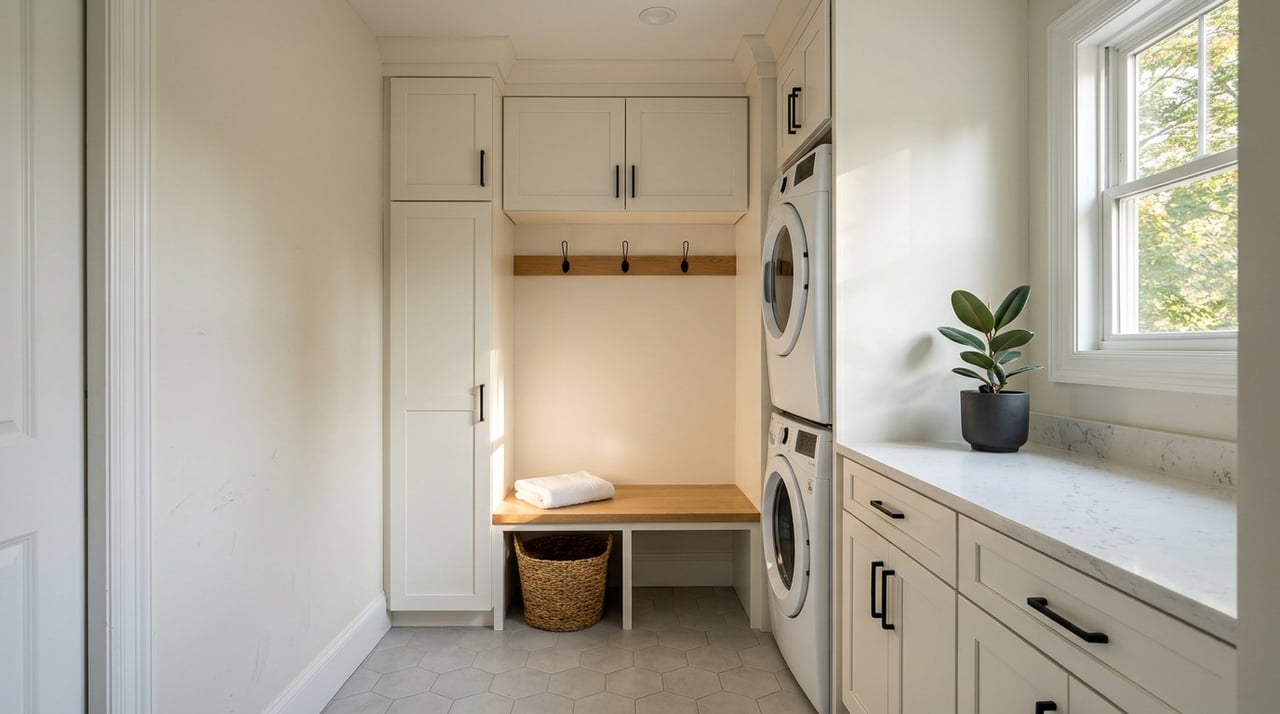
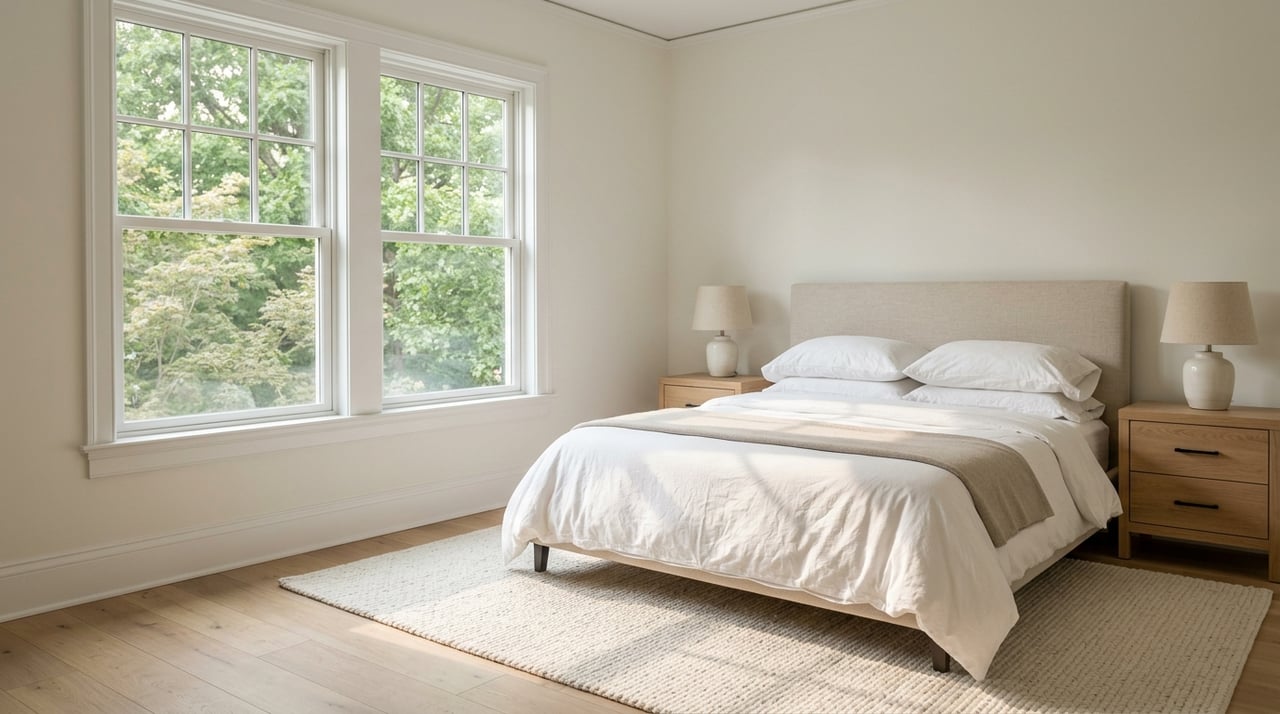
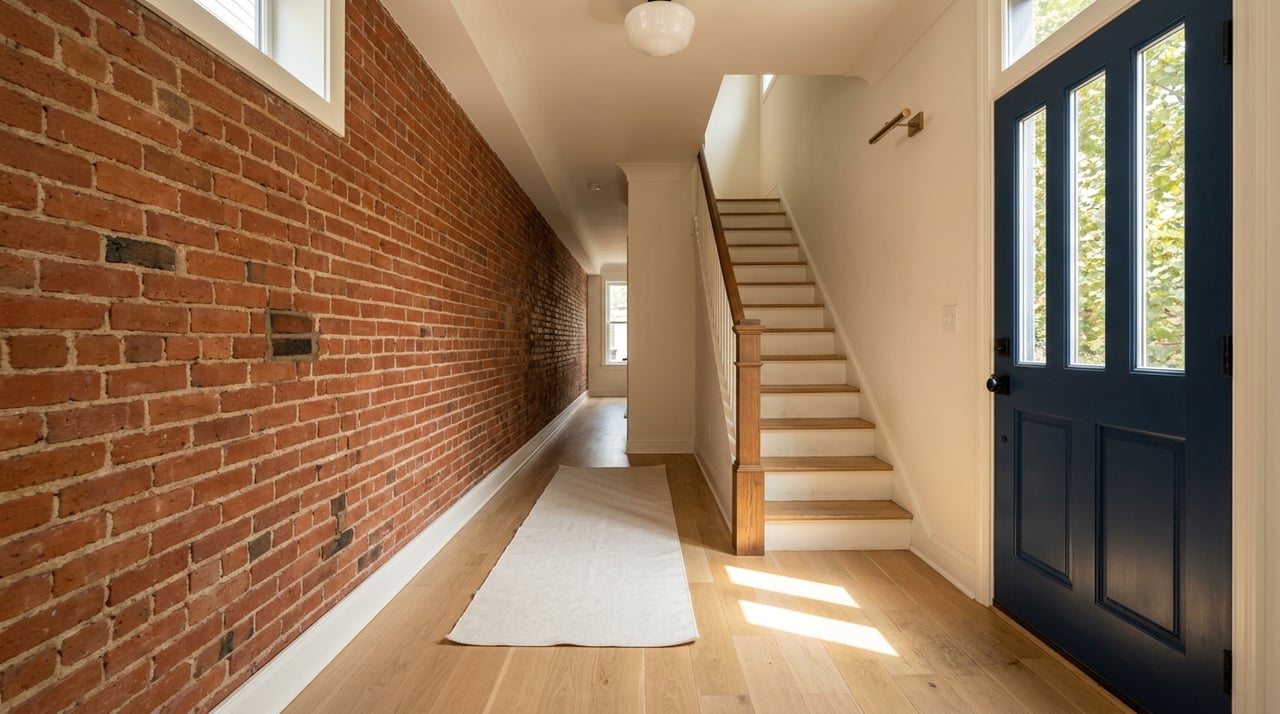
If you like your lot, your setting, and much of your existing home, renovation can help you keep what already works. You may be able to open up the main level, modernize the kitchen, improve bedroom flow, or add updated living space without changing the property’s overall footprint too dramatically.
This can be especially appealing if your goal is to make the house work better for your current life rather than create an entirely different product. A well-planned renovation often preserves character while solving the most frustrating day-to-day issues.
Mature landscaping matters
In Great Falls, mature trees and established landscaping can be a major asset. Fairfax County planning guidance highlights the area’s woodlands, large and old trees, and low-density setting.
If your home sits well on the lot and the landscape is part of what makes the property special, renovation may help you preserve those features. That can be hard to duplicate once heavy site work begins.
Lot constraints can favor renovation
Some properties in Great Falls have environmental or physical constraints that make a full rebuild more complex. Resource Protection Areas, floodplain conditions, and slopes can all affect what is practical.
On certain lots, a limited addition or targeted renovation may be more realistic than tearing down and starting fresh. Fairfax County allows some minor attached additions in Resource Protection Areas when a home predates the RPA and the project stays within specific size and land-disturbance limits. A floodplain use determination may also be required if the work is near a floodplain boundary.
When rebuild makes more sense
Sometimes renovation stops being efficient. If the existing house cannot realistically support the layout, scale, or functionality you want, rebuilding may be the better long-term answer.
This is often true when the floor plan is deeply outdated, room placement is hard to fix, ceiling heights are limiting, or the home would need such extensive work that it starts to resemble a near-total redesign. At that point, it makes sense to compare the cost and complexity of a major renovation against the cost and complexity of new construction.
The house cannot deliver the program
If you need a substantially different home, a rebuild can provide a cleaner starting point. You can plan the house around the way you actually live rather than forcing new ideas into an older shell.
That said, a rebuild in Fairfax County is not just a larger version of a renovation. It usually involves a demolition permit and a new-building permit, along with early review of zoning, floodplains, Resource Protection Areas, grading and site plans, soils, parking, and site-condition research.
Utility and health review can add complexity
If your property uses a private well or septic system, rebuild planning may involve added review. Fairfax County notes that additional documentation may be required for properties with well or septic.
That does not mean a rebuild is off the table. It means your planning team should identify these issues early, before design work and budgeting go too far.
Bigger is not always better for resale
It is easy to assume that a new, larger house will always produce the strongest resale outcome. In Great Falls, that assumption deserves a closer look.
Because county planning guidance emphasizes preserving low-density character, a brand-new house that feels too large or too visually dominant for the lot may not be the best market choice. In a somewhat competitive market, buyers still respond to quality, but fit and proportion matter too.
The local approval process matters
One of the biggest differences between renovating and rebuilding is the level of review. In Great Falls, that can change the timeline, the budget, and your stress level.
Fairfax County requires permits for interior alterations and renovations, additions, new homes, detached structures, and demolition. Some like-for-like replacements and cosmetic work, such as painting, flooring, and cabinet work, may not require permits.
Renovation permits
If your scope is focused on interior changes or moderate additions, the permit path may be more straightforward. That can still involve important review, but it is generally less complex than starting over with a new house.
For homeowners, this often means renovation is easier to evaluate and phase. You can focus first on what the home needs most and determine whether a smaller project solves the problem.
Rebuild reviews
For a new home, county review may involve multiple departments. Fairfax County notes that plan review may include the Permit Application Center, Building Plan Review, Site Review, Zoning, Fire Marshal, Wastewater, and in some cases the Health Department.
That layered review is one reason rebuilds usually require more coordination and more lead time. If your property has environmental sensitivities or private utility systems, the path may become even more detailed.
Start with planning, not assumptions
Before you commit design money, it helps to understand what the site can realistically support. Fairfax County says the Comprehensive Plan guides land-use decisions, and the Planning Division can help with questions related to land use, environmental policy, public facilities, heritage resources, and the comprehensive plan.
The county also strongly recommends using a properly licensed contractor as the responsible party for permit work. That is practical advice for any major property upgrade, especially one with multiple moving parts.
A simple way to compare your options
If you are deciding between renovation and rebuild, start with four practical questions:
- Does the existing house have good bones? If yes, renovation may be worth testing first.
- Is the lot constrained by floodplain, RPA, slopes, or site conditions? If yes, preserving more of the existing footprint may be more practical.
- Can the current house realistically deliver your goals? If not, rebuilding may deserve a closer look.
- Will the finished product fit Great Falls expectations? Quality, proportion, and site fit usually matter more than maximum square footage alone.
What Great Falls homeowners should do first
The best first step is not choosing a side too quickly. It is building the right fact base before you commit to plans, pricing, or a construction timeline.
A smart early-stage team often includes an architect, a reputable contractor, and Fairfax County zoning or land-development staff. That combination can help you understand what is possible on your lot, what may trigger more review, and whether a renovation or rebuild is more likely to meet your goals.
From there, you can also look at the real estate side of the decision. If you may sell in the next few years, it helps to weigh how your planned work aligns with current buyer expectations in Great Falls and whether the investment supports likely resale positioning.
A thoughtful upgrade should improve how you live now and make sense for the property long term. In Great Falls, the right answer is usually the one that balances house, land, approvals, and market fit with care.
If you are weighing a major property upgrade and want a clear, market-informed perspective before you commit, Teresa Burton can help you think through how renovation or rebuild choices may affect value, positioning, and your next move.
FAQs
Should Great Falls homeowners renovate or rebuild first?
- For many Great Falls properties, renovation is the first option to test when the house has solid structure, the lot has constraints, or you want to modernize while keeping the home’s relationship to the site.
Do Great Falls renovation projects usually need permits?
- Yes. Fairfax County says permits are required for many interior alterations, renovations, additions, new homes, detached structures, and demolition, though some cosmetic or like-for-like work may not require a permit.
What site issues affect a Great Falls rebuild?
- Floodplain conditions, Resource Protection Areas, slopes, grading, soils, parking, and private well or septic systems can all affect the review process for a rebuild in Great Falls.
Can mature trees and landscaping affect a Great Falls upgrade decision?
- Yes. In Great Falls, mature trees, woodlands, and established site character are important parts of the setting, so renovation may be more appealing when preserving those features is a priority.
Is a larger new house always the best resale choice in Great Falls?
- Not necessarily. Great Falls buyers pay for quality, but county planning guidance and market behavior suggest that fit, proportion, and compatibility with the lot can matter as much as size.